
Tbilisi nightlife has become one of the main reasons people travel to Georgia. Not just good — genuinely world-class, in the same conversation as Berlin or Amsterdam but with a fraction of the cost and a completely different cultural atmosphere. I run the Night Tbilisi tour and I take guests out after dark regularly. This is everything I know, with real prices in GEL and USD, and specific venues that will still be operating when you read this.
Planning by day? See how the night fits into a Friday in Tbilisi or a Saturday in Tbilisi.
A full evening in Tbilisi — dinner, wine bar, and club — costs ₾80-150 per person ($29-55). Wine bars serve natural Georgian wine from ₾8-15 per glass, craft beer taprooms charge ₾8-12, and club entry at Bassiani or Khidi runs ₾20-40. Most bars open at 19:00, clubs start filling after midnight and run until 8 AM on weekends. Main areas: Shardeni Street for dinner, Vera and Sololaki for wine bars, Fabrika courtyard for mixed crowds.
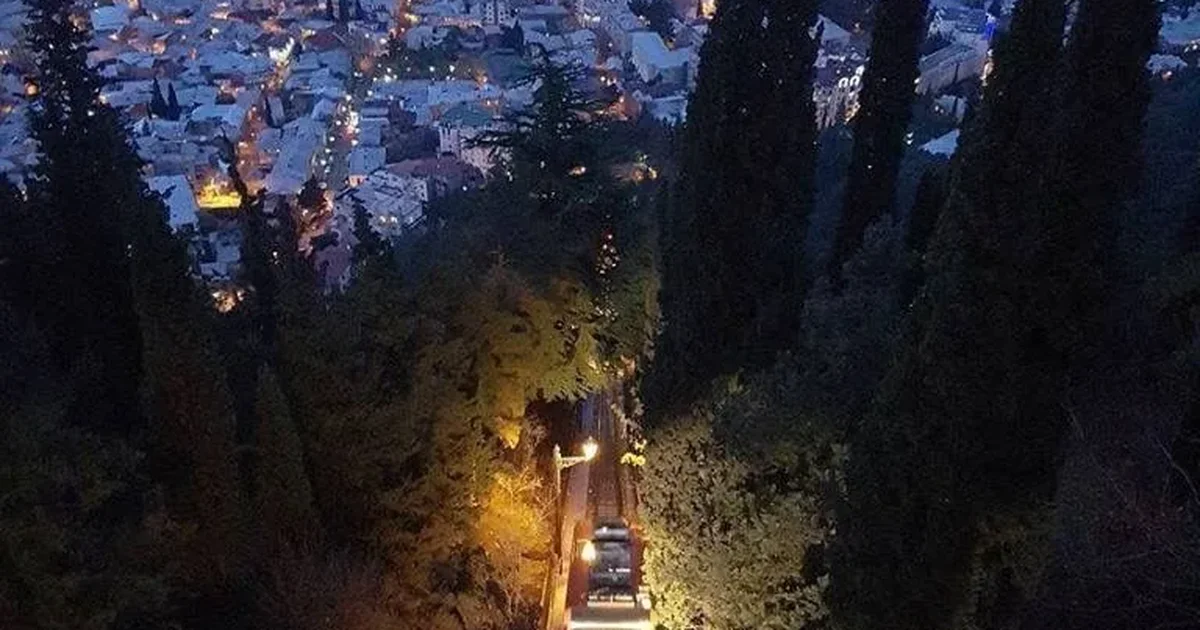
Why Tbilisi Nightlife Is Genuinely Exceptional
Tbilisi's party scene emerged from a specific political context. After the 2003 Rose Revolution, a generation of young Georgians who'd grown up under Soviet rule built a cultural scene that was explicitly free — in music, in sexuality, in expression. The clubs became protected spaces. Bassiani and the venues that followed weren't just places to dance; they were statements. Before you fly, check the 2026 insurance requirement for Georgia.
That history gives Tbilisi nightlife a depth you don't find in cities where nightlife evolved purely commercially. The community is protective of it. Venues enforce strict no-photography rules inside the dance floor. Face control exists not to filter by appearance but to filter by attitude — aggressive or disrespectful behavior means you don't get in, regardless of how you're dressed.
The practical upside for visitors: Tbilisi bars are inexpensive, the wine is extraordinary, the music is serious, and the city stays awake until 8am on weekends. There is no rush. A night that starts at 9pm with dinner on Shardeni Street can legitimately end at sunrise in a cave-like basement club playing ambient techno.
The main things to do in Tbilisi at night fall into five categories: wine bars, rooftop bars, craft beer taprooms, live music venues, and clubs. Most evenings combine two or three of these. I'll go through each.
Shardeni Street Nightlife — The Tourist Hub Explained
Shardeni Street (Shardenis qucha) is Tbilisi's most photographed pedestrian street — a narrow cobblestone lane in Old Town lined with restaurants, wine bars, and occasional live music spilling from doorways. In the evening it fills with a mixed crowd: tourists, locals out for dinner, and expats who've been living in Tbilisi long enough to have strong opinions about where on Shardeni is still good.
The honest assessment: Shardeni Street nightlife is beautiful and overpriced. A glass of house wine that costs 5–7 GEL on Agmashenebeli costs 12–18 GEL on Shardeni. Cocktails run 20–30 GEL. The atmosphere is real — it genuinely is a pleasant street to walk and sit on — but you're paying a tourist premium on everything.
What Shardeni is good for:
- First evening in Tbilisi — orientation drink, no need to navigate anywhere unfamiliar
- A glass of wine before dinner, when price matters less than convenience
- Meeting other travelers (the vibe is social and international)
- Jazz Club Tbilisi at the far end — genuinely good live music, reasonable prices
What Shardeni is not good for: finding an authentic Tbilisi experience at local prices. For that, move two streets in either direction into the fabric of Old Town, or head to Fabrika, Agmashenebeli, or the Chugureti district.
Best Wine Bars in Tbilisi — Natural Wine and Qvevri
Georgia's wine scene has exploded in the past decade. Natural wine — low-intervention, minimal sulfites, often skin-contact amber wines — has become a global phenomenon, and Tbilisi is where you can drink the originals at source prices. The tbilisi wine bars scene ranges from specialist natural wine shops with a few stools to proper atmospheric bars with hundred-label lists.
The reference address for natural wine in Tbilisi. A basement space under an old Tbilisi building, with stone walls and low lighting. The list focuses on small Georgian producers making amber wine in qvevri. Staff speak English and are genuinely knowledgeable. The selection rotates — ask what they're excited about today. Order cheese and bread alongside.
Named for Georgia's 8,000-year winemaking history. More commercial than Vino Underground — the list is extensive and the atmosphere is more bar than specialist shop — but the range is excellent and the food (cheese boards, charcuterie, pkhali) is very good. A reliable choice for a two-hour wine evening before moving on to a club.
One of the few Shardeni spots worth the tourist premium. A courtyard with grape vines, regular live music (Georgian polyphony and folk on Friday and Saturday evenings), and a solid wine list focused on Kakhetian producers. Good food to accompany. Book a table for weekend evenings — it fills up by 8pm.
A hybrid wine shop and bar where the retail prices apply to glasses poured on the spot. Buy a bottle at shop price, open it at the bar, pay a small corkage. The selection skews toward small-production natural wine. A serious wine destination — not for casual drinkers, excellent for anyone who wants to go deep into Georgian varieties.
Tbilisi Rooftop Bars With a View
Tbilisi rooftop bars have proliferated in the last few years, and with good reason: the city's topography — hills, the river gorge, Old Town's irregular skyline — makes rooftop views genuinely extraordinary. The best spots give you Narikala fortress lit up against the hills, the Metekhi church above the river, and the mosaic of terracotta rooftops of Kala district below.
Fabrika is the converted Soviet textile factory that now houses bars, restaurants, studios, and a hostel in a converted warehouse complex. The terrace and shipping-container bar area are the social heart of young expat and creative Tbilisi. Not technically a rooftop — more a courtyard terrace — but the atmosphere at 10pm on a summer Friday is unmatched. DJs play from Thursday onwards. Food available from the surrounding restaurants until late.
The most upscale rooftop option in the city. On the top floor of the design hotel, with views over Rustaveli Avenue and the hill behind. Outdoor terrace seating in summer, excellent cocktail list, good service. More expensive than other options but the view and the quality of drinks justify it for a special occasion. Quiet weeknights, busy at weekends — arrive by 8pm to get a table.
Not a specific bar but a zone — several small terrace bars and wine spots in the lanes of Old Town (Kala district) with views over rooftops toward Metekhi and the river. Walk down Leselidze, turn into the smaller lanes, and follow the sound. These are the spots where Tbilisi's resident expats drink — no tourist menu, local prices, minimal signage.
Tbilisi Craft Beer Scene
Tbilisi craft beer has grown rapidly. Five years ago, Georgian beer was essentially Natakhtari and Kazbegi lager. Now there are a dozen small breweries, with taprooms spread across the city from Saburtalo to Didube. Quality ranges from excellent to experimental-and-interesting. Prices are fair: a pint of craft beer costs 9–15 GEL ($3.30–5.50).
The best-known craft beer spot in Tbilisi, and deservedly so. The taproom itself is a converted Soviet building with a pleasant courtyard garden. The beer list covers their own IPAs, stouts, sours, and seasonal releases alongside guest taps. The food is proper Georgian — good khinkali, lobio, grilled cheese — not a bar snack afterthought. Gets busy on weekends; arrive before 7pm or expect to wait.
A newer taproom on Agmashenebeli with a rotating selection of Georgian and imported craft beer. More of a classic taproom feel — long bar, stools, TVs for sport. The knowledgeable staff can recommend across the selection. Good option for pre-club drinks if you're heading to the nearby Fabrika complex or down toward Old Town.
Live Music in Tbilisi
Tbilisi live music covers more ground than most visitors expect. Georgian polyphonic singing is UNESCO-listed and genuinely extraordinary; there are regular evenings in Old Town wine bars where a quartet of singers performs spontaneously alongside the regular bar operation. At the other end of the spectrum, there's a functioning jazz club, regular rock venues, and a Georgian folk-pop scene that's hard to explain but easy to enjoy.
A serious jazz club in an intimate space at the end of Shardeni Street. The musicians are consistently good — a rotating cast of local jazz players, sometimes with international guests. The sound system is excellent. No tourist-grade background music: this is jazz, properly. The small size means atmosphere concentrates — on a good night it's exceptional. Despite the Shardeni location, drink prices are only moderately above local rates.
Attached to the famous Rezo Gabriadze puppet theater. Occasional evening performances of Georgian folk music and improvised polyphony alongside the regular dinner service. The courtyard is beautiful in summer. Go for dinner, stay for the music if it happens. Not scheduled with precision — it's Georgia. But worth knowing about.
A riverbank bar under Metekhi cliff with regular acoustic performances and occasional full-band nights. The setting — the Mtkvari flowing past, Metekhi Church lit up on the cliff above, the old city on both sides — is remarkable. Informal and local, without the tourist-bar pricing of Shardeni. Best in summer when the terrace is fully open.
Georgian polyphonic singing: If you're in Tbilisi on a Saturday, look for the evening supra (feast) events organized through cultural centers or the Georgian National Museum. Polyphony performed live in a small room — three or four voices singing ancient harmonies developed over 1,500 years — is one of the most striking cultural experiences available in the city. Check with your hotel or ask at Vino Underground, which often knows about informal events.
Bassiani and the Tbilisi Club Scene
For a deep dive into the clubs, how to get in, face control and afterparties, see the dedicated Tbilisi techno scene guide.
Bassiani is one of the world's great clubs. This is not hyperbole — it appears consistently in Resident Advisor's global top-ten lists, attracts the same caliber of DJs as Berghain or Fabric, and has built a reputation for sound system quality and underground credibility that spans a decade. Understanding why requires a bit of context.
Bassiani opened in 2014 in the swimming pool beneath Dinamo Arena — the Soviet-era football stadium. The main floor is a long, low concrete room where the former pool used to be. Sound bounces off concrete in specific ways and the resident sound engineers have spent years tuning the system to exploit this. The result is a listening experience unlike most clubs — precise, physical, and loud without being painful.
The club also operates Horoom — a smaller room above the main floor, with a different musical direction (more experimental, often ambient or drone). The two rooms allow for a complete night without needing to leave.
How to get into Bassiani:
- Dress: all-black is the default, but it's not strictly enforced. Clean casual is fine. Avoid anything that reads as trying too hard.
- Time: do not arrive before midnight. The music starts around 11pm but doesn't reach critical mass until 2–3am. Arriving at 1am is reasonable; 2am is normal.
- Face control: do not arrive visibly drunk. Be calm and patient. If they say no, accept it and leave — arguing does not work and will get you blacklisted.
- No phones on the dance floor: cameras are covered at the door. This is strictly enforced and is part of what makes the space work. Don't try to sneak photos.
- Entry fee: 20–40 GEL depending on the night and the DJ. International headliners cost more.
- Location: Chavchavadze Avenue near Dinamo Arena. Take a taxi from anywhere in the city for 8–15 GEL.
Other Tbilisi Clubs and Late-Night Spots
Beyond Bassiani, Tbilisi has a constellation of smaller clubs and late-night venues. The scene is lively enough that new places open regularly; these are the consistently operating spots as of 2026.
A club under the railway bridge — an outdoor and semi-covered space with a raw industrial atmosphere. Less polished than Bassiani, more experimental in music programming (drum and bass, breakbeat, and local DJs alongside the techno). The outdoor element makes it summer-focused, though it operates year-round. More relaxed face control than Bassiani; the crowd is younger and more mixed.
A smaller underground venue focused on electronic music — house and techno, with occasional deviations. The space is intimate and the crowd is local Tbilisi rather than tourist-heavy. Bassiani alumni often DJ here on off-nights. Find the current address on Instagram @clubcorridor — the venue has moved more than once.
A bar-restaurant that morphs into a danceable late-night spot after midnight. The music policy is eclectic — disco, funk, Georgian pop, occasional live band. Not a club in the strict sense but a place to drink, dance informally, and stay late without committing to a proper club night. Locals and tourists mix naturally. Good cocktails, outdoor terrace in summer.
There is a loose collection of unmarked bars on and off Agmashenebeli Avenue — typically a small room, local beer on tap, a DJ or playlist, and Tbilisi regulars playing backgammon or arguing about football. These open late and close at 5–6am. They are the places where Tbilisi's night owls end up at 3am when the clubs feel too intense. Ask a local or a long-term expat to point you to whichever is currently good.
Where to Eat Late at Night in Tbilisi
One of the underrated pleasures of Tbilisi nightlife is the 3am khinkali. Several canteens near the club district stay open around the clock or open very early specifically for the after-club crowd. Eating khinkali with hands at 4am in a fluorescent-lit canteen, surrounded by a mix of club-goers and market workers arriving for their early shift, is one of the more memorable Tbilisi experiences.
- Pasanauri (Leselidze branch) — open until 4am most nights, arguably earlier than anywhere near Old Town. Khinkali, khachapuri, coffee. Cash.
- Keto da Kote (Agmashenebeli) — a 24-hour Georgian canteen, functional and authentic. Khinkali 0.80 GEL, lobio, fried cheese. The staff have seen everything at 3am and will not judge.
- Market canteens near Deserter's Bazaar — the market operates from 5am. The canteens adjacent to it start breakfast service from 4:30am for market workers. By 6am there is fresh shotis puri and beans (lobiani) available. This is the actual end-of-night destination for Tbilisi's serious night owls.
Safety and Practical Tips for a Night Out in Tbilisi
Tbilisi is generally safe at night — safer than many European capitals — but the usual common sense applies.
- Transport: Yandex Taxi and Bolt work around the clock. A taxi from anywhere in the center to Bassiani costs 8–15 GEL. Do not use unlicensed taxis at club exits — they overcharge tourists by 3–5x. Open the app and wait for your assigned car.
- Drugs: Georgia has some of the harshest drug laws in Europe — personal possession can result in years in prison. This is not exaggerated. The clubs themselves operate drug-free, police occasionally patrol outside. Be aware.
- Currency: Most bars take card. Clubs tend to prefer cash — bring lari. ATMs are common throughout Old Town and near Fabrika.
- Language: English is widely spoken in bars and clubs catering to mixed crowds. At local canteens and dive bars, minimal English — point at the menu, use hands, bring a translation app.
- Water: Tbilisi tap water is safe to drink. Clubs sell overpriced water; bring a small bottle from a convenience store (0.60–1 GEL for 500ml).
- Solo travelers: Tbilisi is genuinely welcoming to solo travelers. The bar and club scenes are social — you will meet people. The wine bar community in particular is open and internationally connected.
Prices — Full Breakdown for a Night Out in Tbilisi 2026
| Item | Price (GEL) | USD equiv. |
|---|---|---|
| Taxi within center | 8–15 | $2.90–5.50 |
| Taxi to Bassiani | 10–18 | $3.60–6.60 |
| Club entry (local nights) | 15–25 | $5.50–9.10 |
| Club entry (international DJ) | 30–50 | $11–18 |
| Beer (bar, non-tourist) | 5–9 | $1.80–3.30 |
| Beer (Shardeni / tourist bar) | 9–14 | $3.30–5.10 |
| Wine glass (wine bar) | 8–18 | $2.90–6.60 |
| Cocktail (non-tourist bar) | 14–20 | $5.10–7.30 |
| Cocktail (Shardeni) | 20–30 | $7.30–11 |
| Late-night khinkali (8 pieces) | 7–10 | $2.55–3.65 |
| Dinner before night out | 25–50 | $9.10–18 |
| Full evening (dinner → bar → club) | 80–150 | $29–55 |
Exchange rate reference: 1 USD ≈ 2.73 GEL (April 2026).
Suggested Evening Itinerary: 6pm to 6am in Tbilisi
This is the route I suggest on Night Tbilisi tours — adjusted for what's currently operating and where the best value is.
- 6:00–7:30pm — Dinner at a local restaurant in Chugureti. Khinkali, khachapuri, glass of Saperavi. Budget: 25–35 GEL. Skip the Shardeni tourist restaurants; take a 5-minute taxi to Agmashenebeli for the same quality at half price.
- 7:30–9:30pm — Vino Underground or Ghvino Underground. Two or three glasses of Georgian wine, one amber (qvevri) and one red. Ask the staff for direction. Budget: 25–45 GEL.
- 9:30–11:00pm — Fabrika complex. Walk around, pick a terrace bar. Music starts on the DJ-nights, the courtyard is full of people. Beer or a second wine. Budget: 15–25 GEL.
- 11:00pm–midnight — Pre-club preparation. Coffee from a convenience store, water, check yourself in the mirror — Bassiani face control is real. Optional: Jazz Club Tbilisi if you want live music instead of the club.
- 12:30–1:00am — Taxi to Bassiani. Arrive calm, patient. Budget: 12–15 GEL taxi + 25–40 GEL entry.
- 1:00–6:00am — Bassiani. Stay as long as you want. Water is available inside. Budget: 15–30 GEL drinks.
- 6:00–7:00am — Taxi to Deserter's Market. Early canteen, khinkali, fresh bread, strong coffee. Budget: 10–15 GEL food + 10–15 GEL taxi.
Total budget for this full evening: 130–190 GEL ($47–70). For an equivalent night in Berlin or London: £150–200 minimum. The Tbilisi math is compelling.