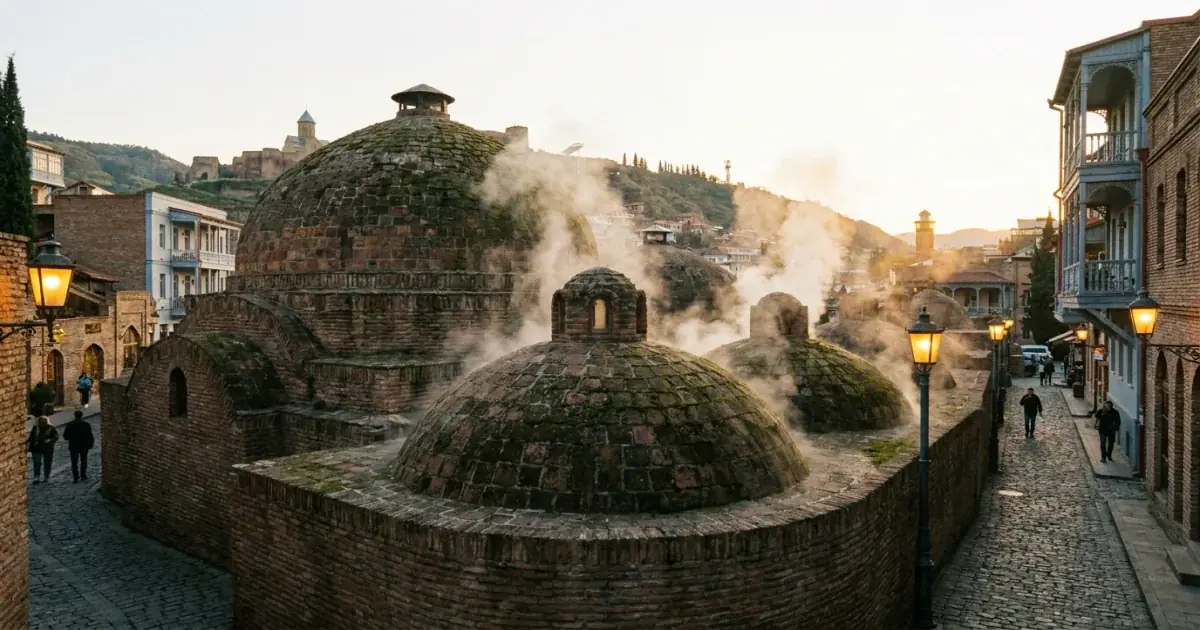
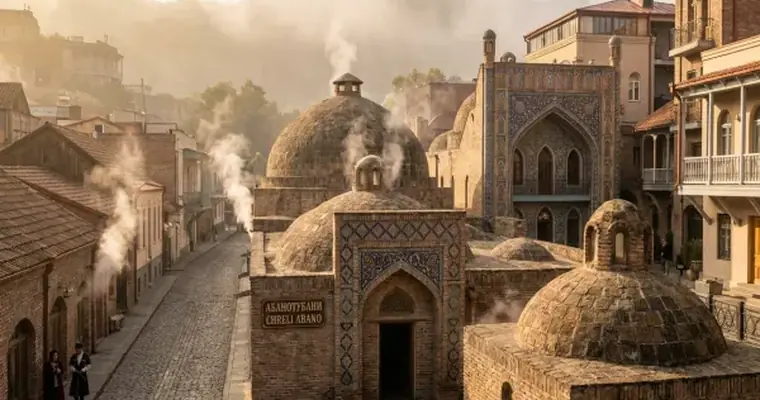
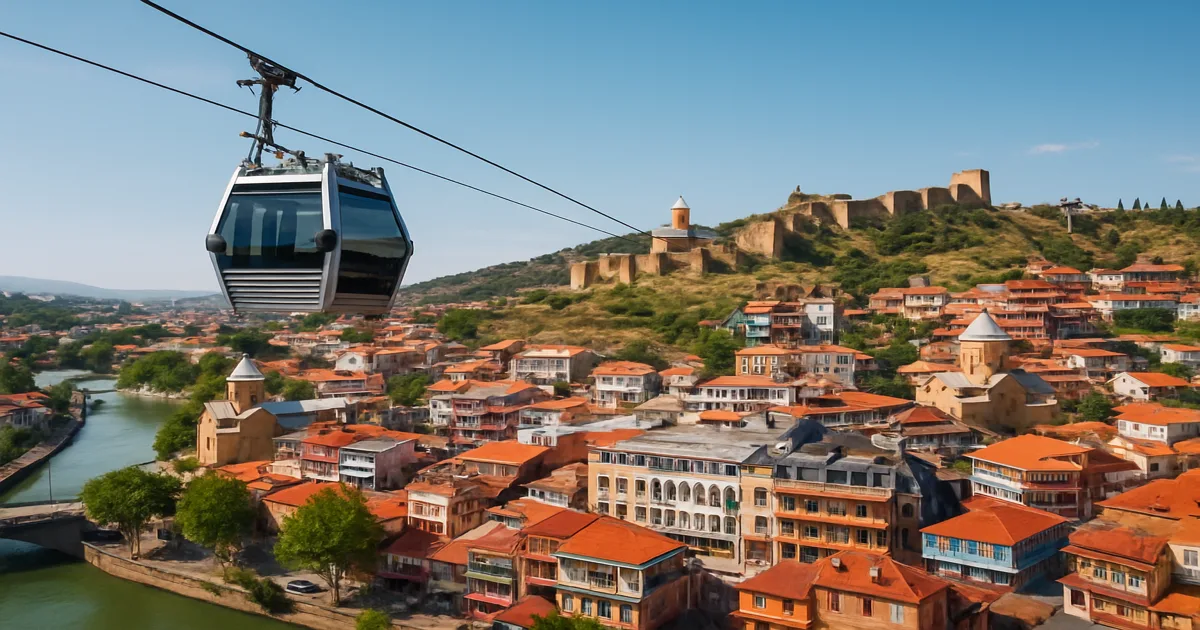
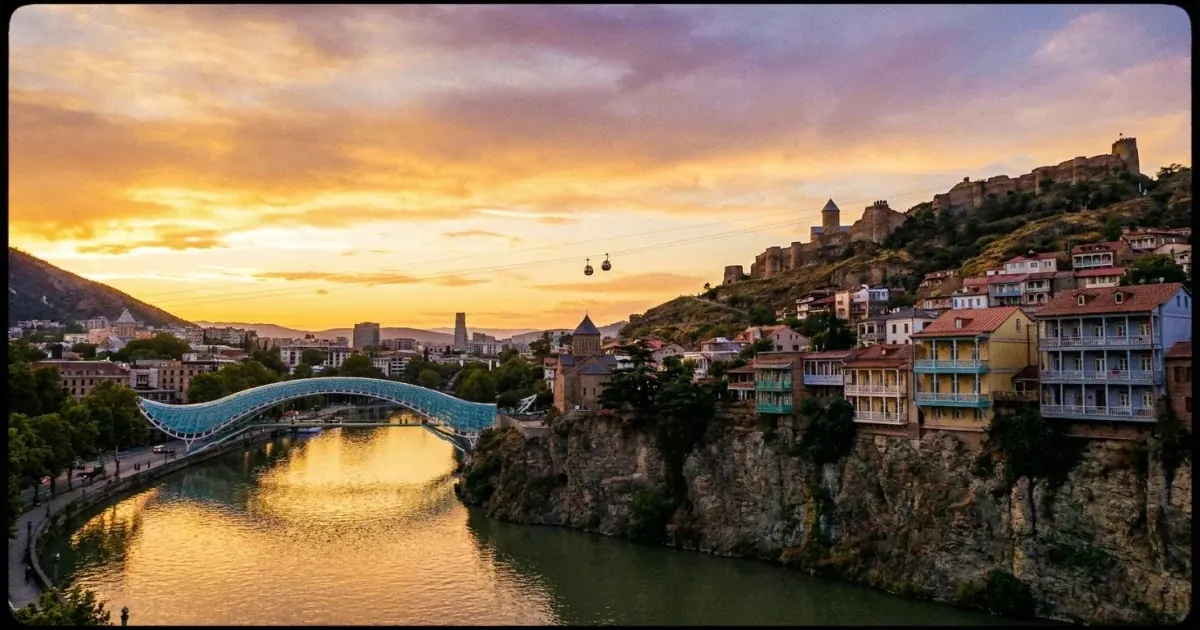
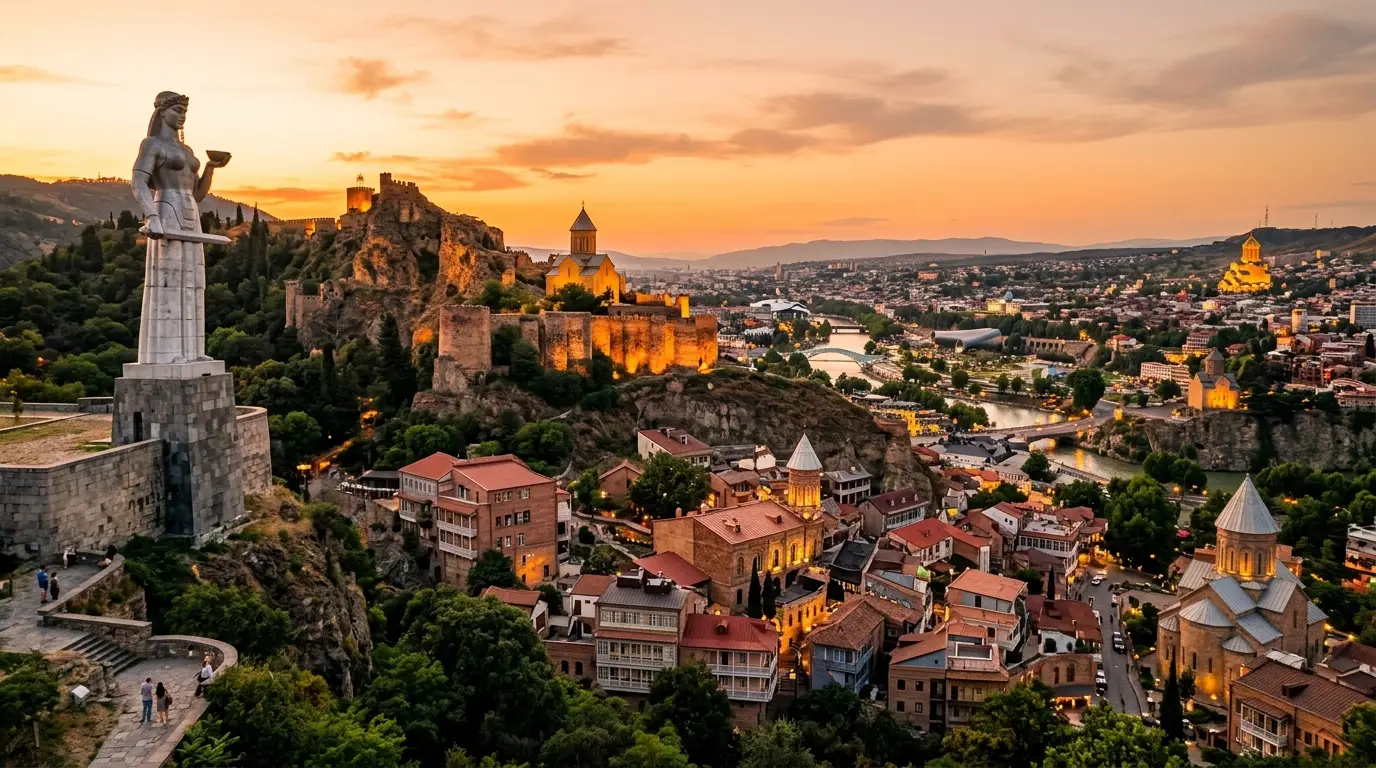
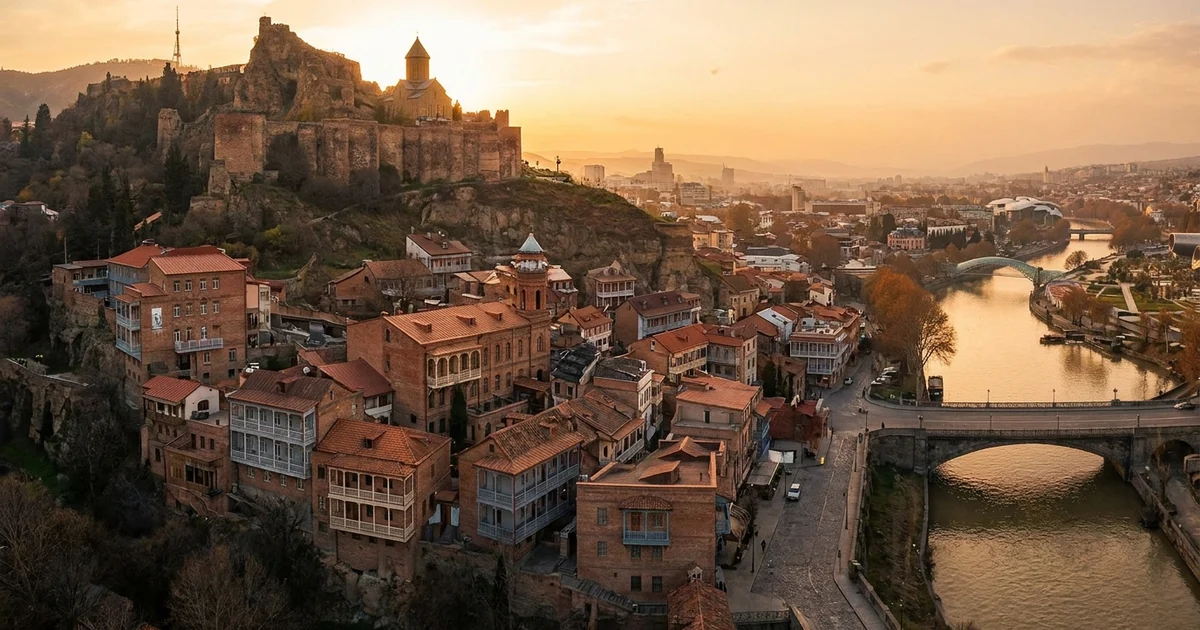
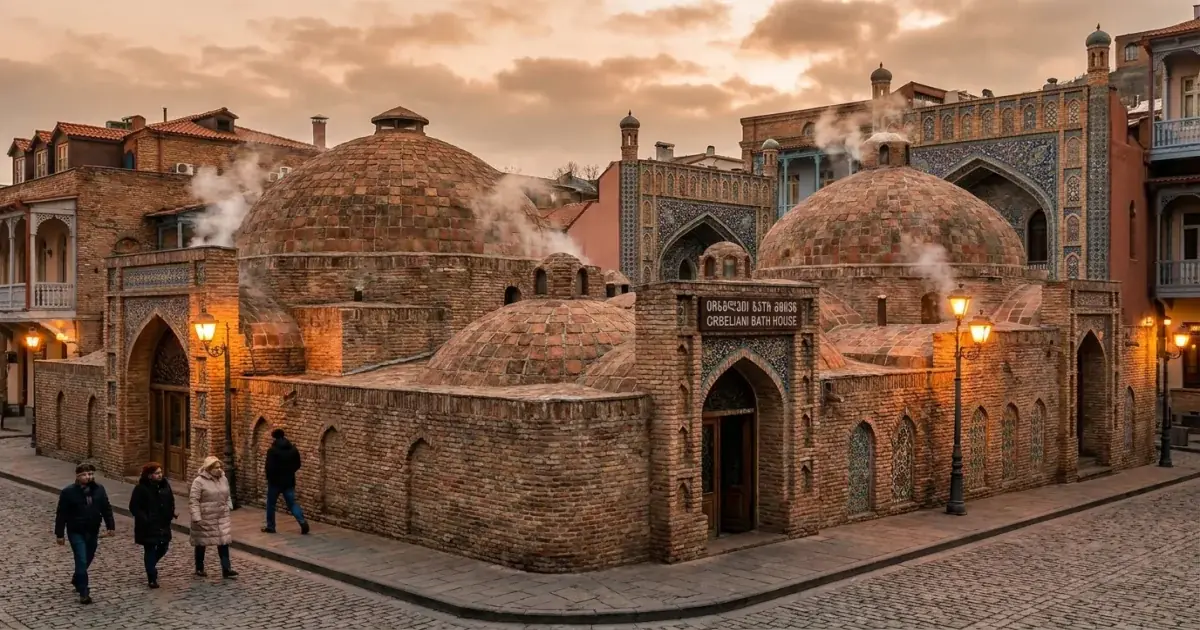
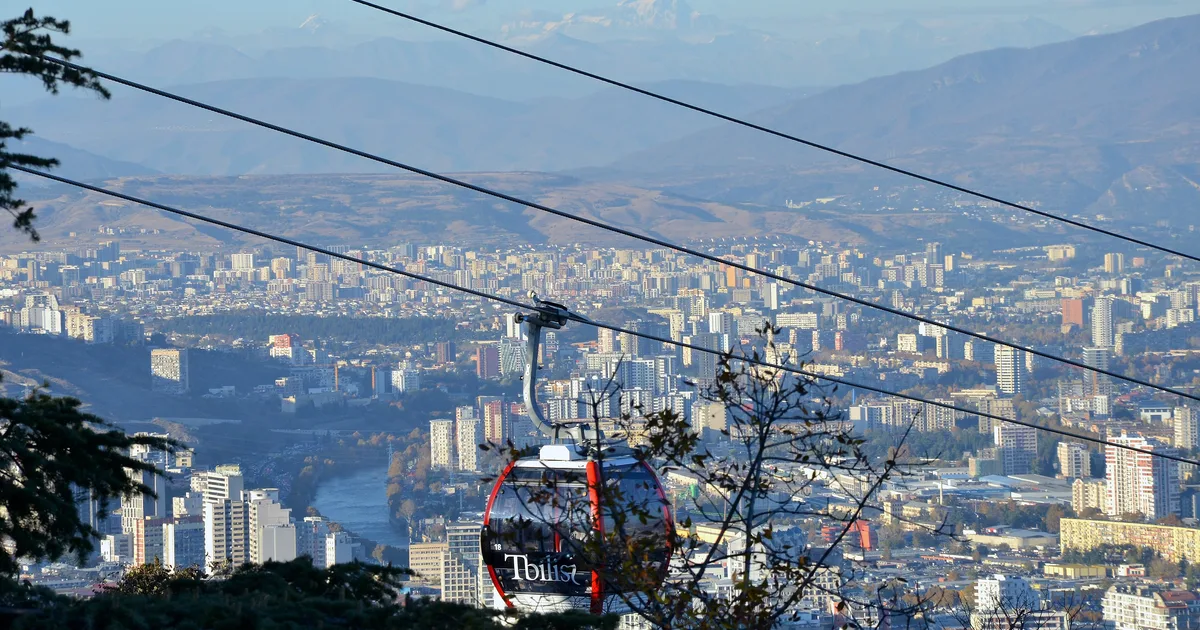
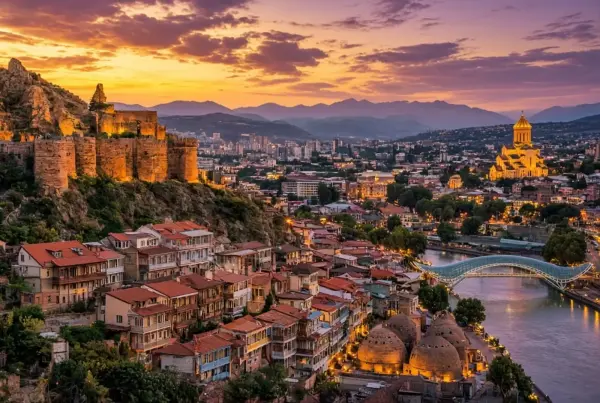
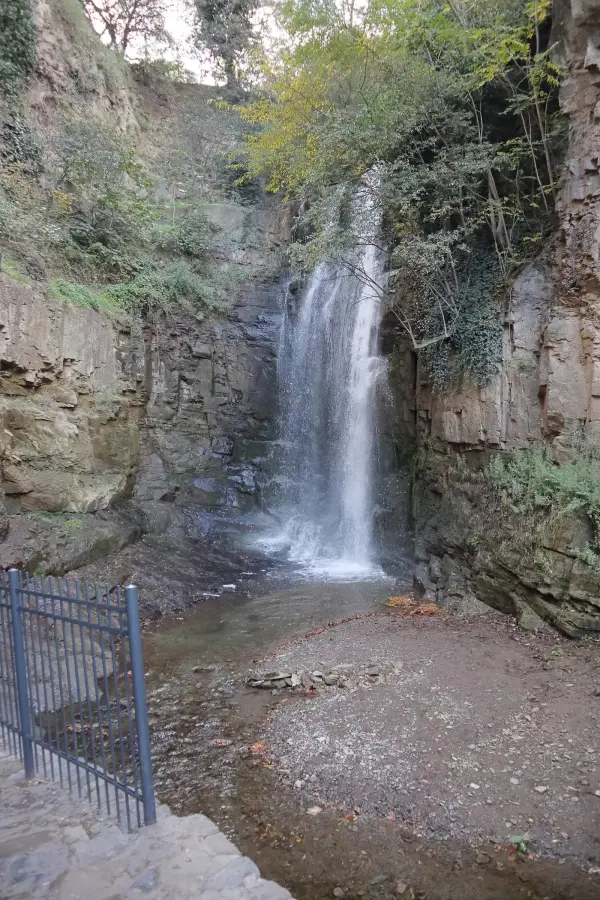
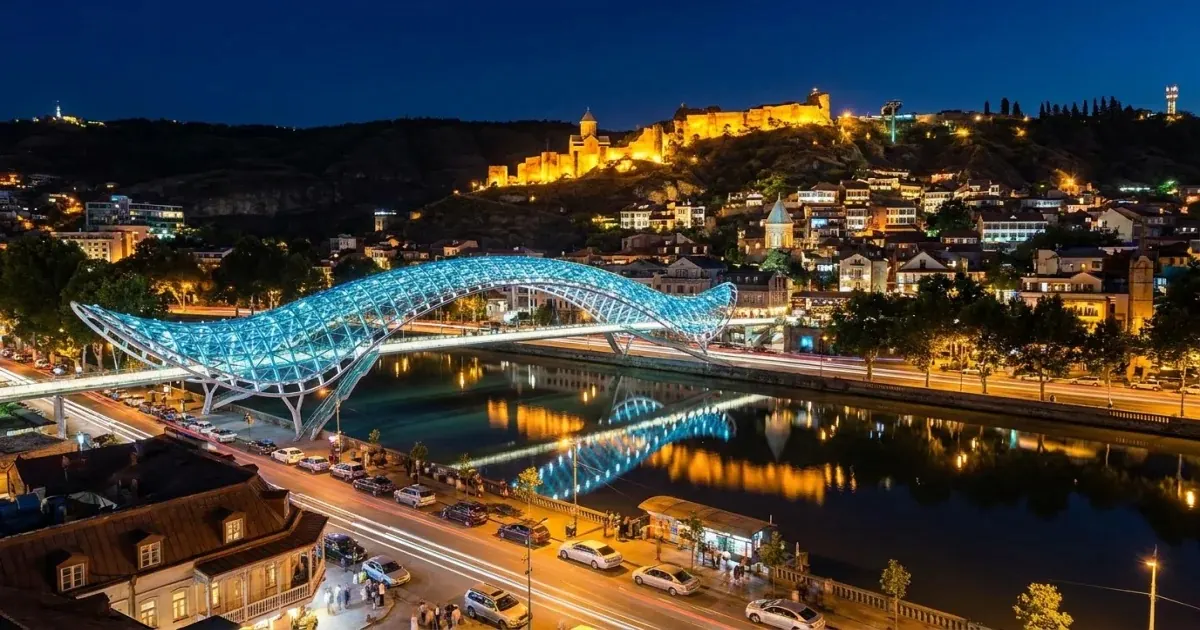
Abanotubani is the sulfur bath district where Tbilisi began. Legend has it that King Vakhtang Gorgasali’s falcon fell into a hot spring — and that’s how the site for the city was found. Today it has brick bathhouse domes, Leghvtakhevi Waterfall, and a mosque and synagogue on the same street.
In short: Abanotubani — a 3-hour tour, from ₾135 per person, groups of up to 7, departure at 08:00. The route includes the meeting at Meidan Square, the domed sulfur baths and Leghvtakhevi Waterfall. Local Sakhva Travel guide, online booking with no hidden fees.
Key facts
| Duration | 3h |
|---|
| Start | Start |
|---|
| Included | Guided walk through Abanotubani; The story of the sulfur baths; Visit to the Leghvtakhevi area and waterfall; Photo stops |
|---|
| Paid separately | Bathhouse visit (from ₾30); Food and drinks |
|---|
| Payment and cancellation | 10% deposit, the balance on the day; free cancellation up to 48 hours before |
|---|
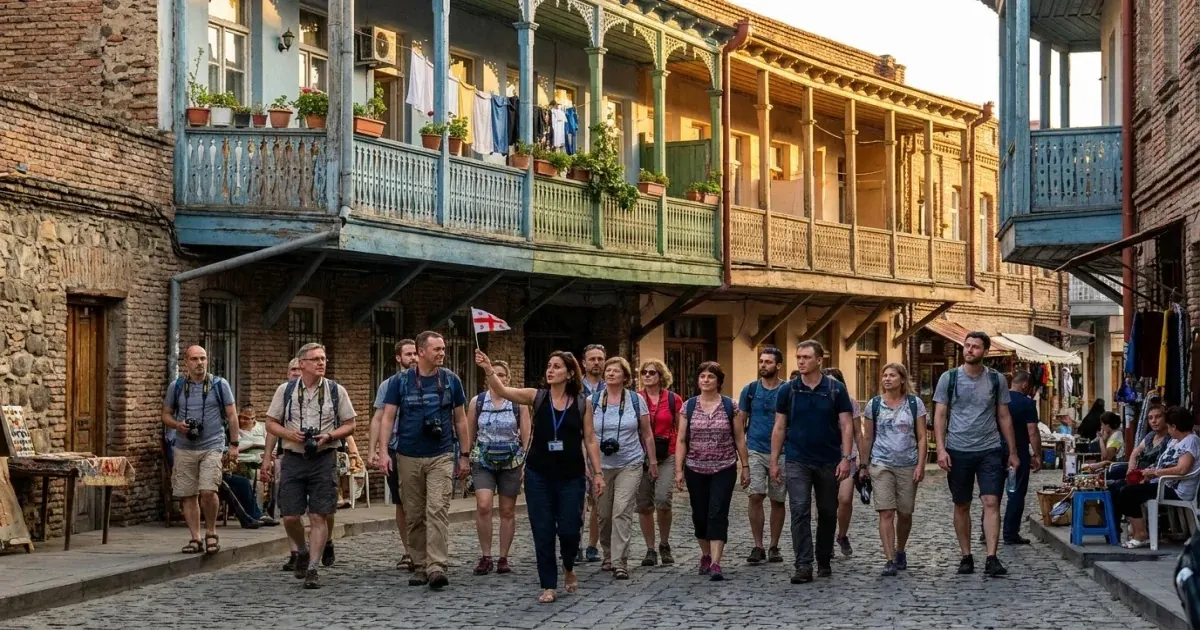
The tour is a walk through a district full of history: how the baths work, why Muslims and Jews lived here together, and where to get the best view of the domes.
How it differs from the Old Tbilisi tour
Old Tbilisi is an overview walk through the whole historic center (Narikala, Metekhi, Sioni). Abanotubani is a deep dive into a single district: the baths, the smell of sulfur, hidden courtyards, underground springs.
Frequently asked questions
Will we visit the baths?
No, this is a walking tour OF the district. If you’d like to go to a bathhouse, the guide will help you book it separately.
Is it suitable for children?
Yes, the route is flat, with no climbs. The waterfall and the domes appeal to everyone.
How much does it cost to rent a sulfur bath?
A private room in a sulfur bathhouse costs roughly from ₾30 per hour for your group; the public hall is cheaper. It’s optional and not included in the tour price — let us know in advance and the guide will help you book.
What is Leghvtakhevi Waterfall?
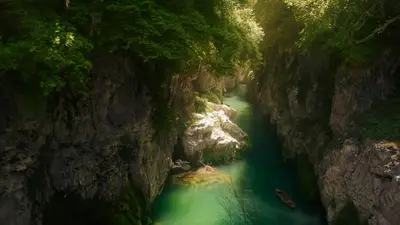
Leghvtakhevi, the “fig gorge”, lies just behind the baths, with a city waterfall right in the center of Tbilisi. A quiet green corner that not every tourist reaches.
Why is the Abanotubani district called multicultural?
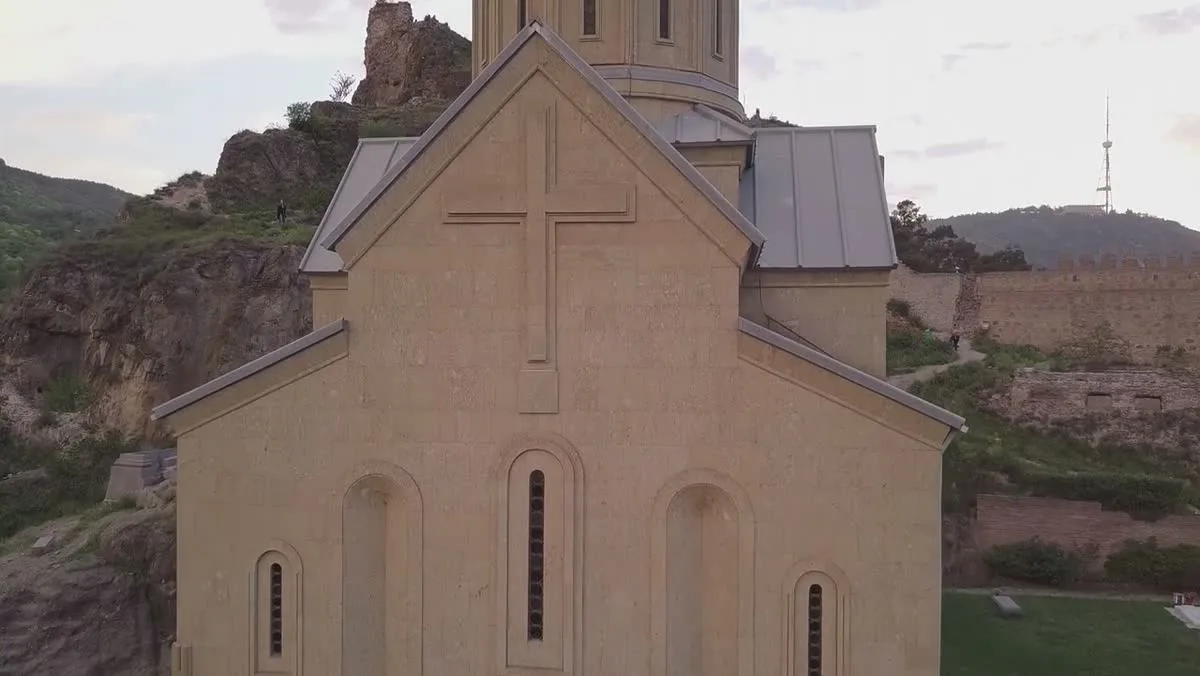
A mosque, a synagogue and Orthodox churches stand on neighboring streets here — a symbol of centuries of cultures living side by side in Tbilisi.
Why choose this tour
Abanotubani is the quarter we know best: we’ve led more than 200 tours here, we know every working bathhouse from the inside and can explain simply why the sulfur smell isn’t a drawback but history. Groups of up to 7 people: you don’t queue at the gates — you go in first and have time to take in the details.
rated 9.4 based on 351 reviews — most of them from this very tour. If you like the bathhouse from the outside and want to go in, just tell us — we’ll arrange a room right on the spot with no service fee.
How booking works
Message us on WhatsApp: +995 511 27 26 23. We’ll confirm the date, number of people and your wishes, and send a confirmation with the route, time and price. 10% prepayment when booking, the balance on the day of the tour. Free cancellation up to 48 hours before.
Abanotubani tour route
We meet at Meidan Square, the historic center of Tbilisi where the whole quarter begins. First stop: the sulfur baths. From outside we look at the Orbeliani domes with their Persian tiles and the Lame Bath, the oldest in the quarter, built in the seventeenth century. Going inside is optional, but if you’re interested you can book a room right on the spot.
Next, we go down the gorge to Leghvtakhevi Waterfall. It’s right in the city: a 20-meter stream of water between rock walls. Most tourists don’t know you can walk down to it. Then we pass the entrance to the Botanical Garden — you can pop in for an extra fee or just look at the nineteenth-century gates.
We return via the street where the Jumah Mosque and the synagogue stand 50 meters apart. It’s a living symbol of Tbilisi’s tolerance: both communities have been neighbors here for several centuries. We end the route in hidden courtyards with wooden balconies — the ones that don’t make it into guidebooks.
Best time to visit
Ideally before 10:00 am. At that time there are almost no tourists at the baths, the light is soft and the gorge by the waterfall is cool. After noon the quarter fills up with tour groups.
The best seasons are spring (April–May) and autumn (September–October). Comfortable temperatures, bright greenery. In summer the gorge is hot, especially in July-August — we advise bringing water. Winter is surprisingly atmospheric: steam from the hot springs rises over the domes, and the quarter is quiet.