History of the neighbourhoods
Tbilisi was founded in the 5th century by King Vakhtang Gorgasali. Legend has it that the king was hunting here when his falcon fell into a hot spring and was healed. So the hot sulphur waters gave the city its name: "tbili" means "warm" in Georgian.
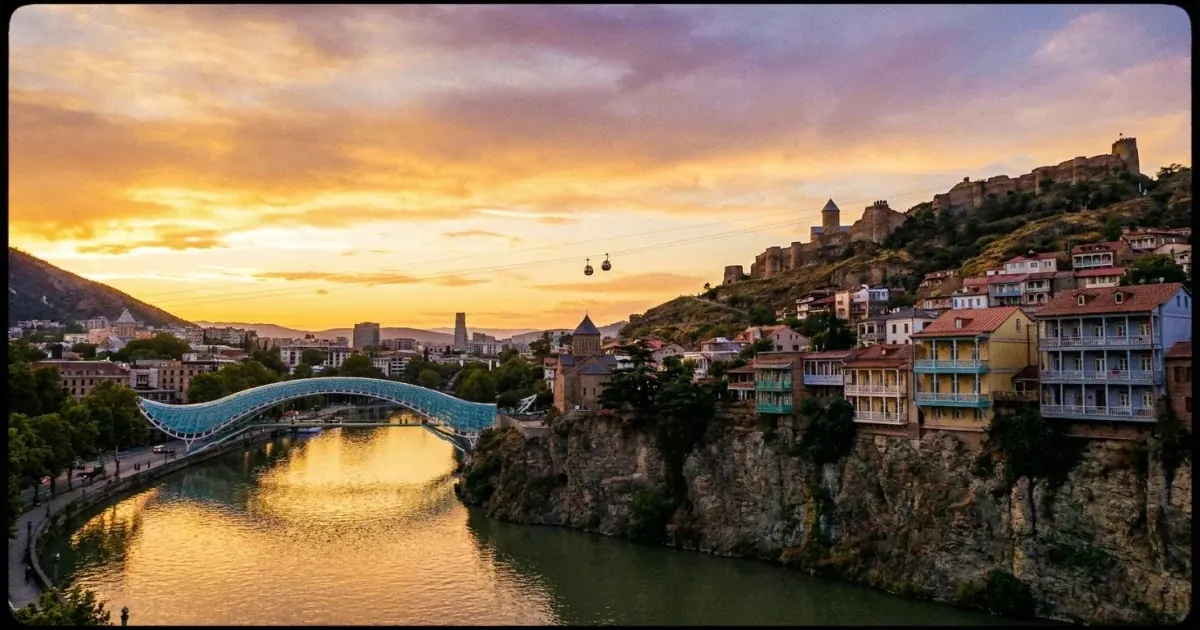
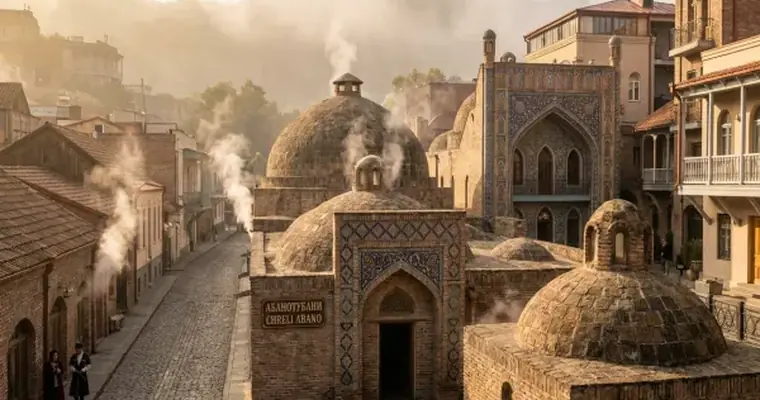
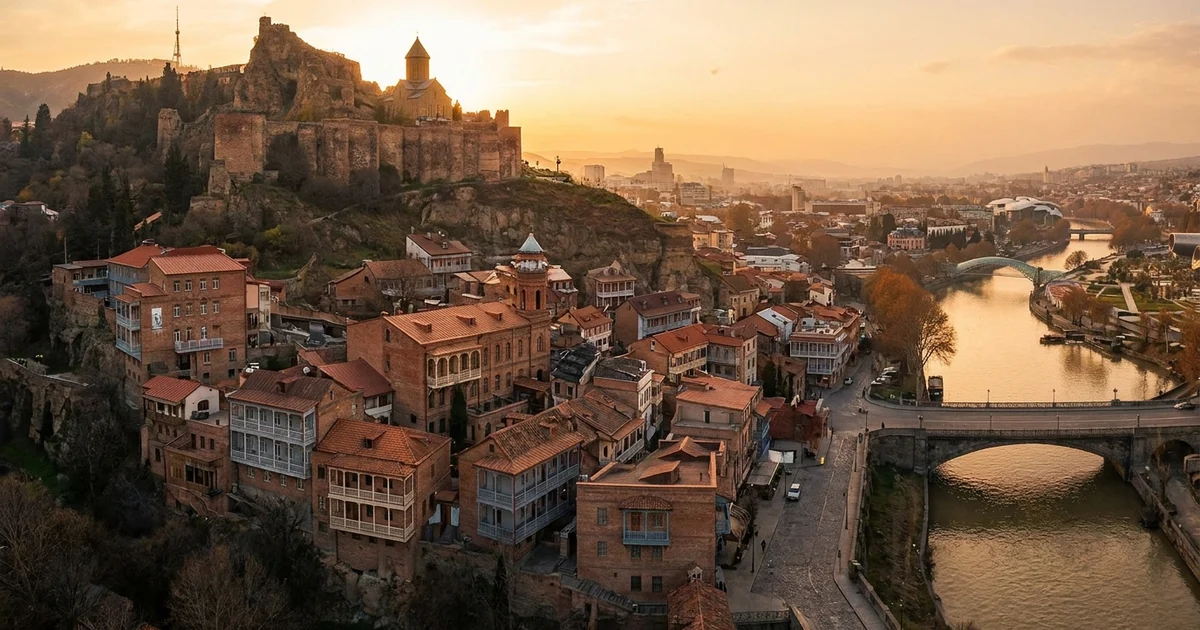
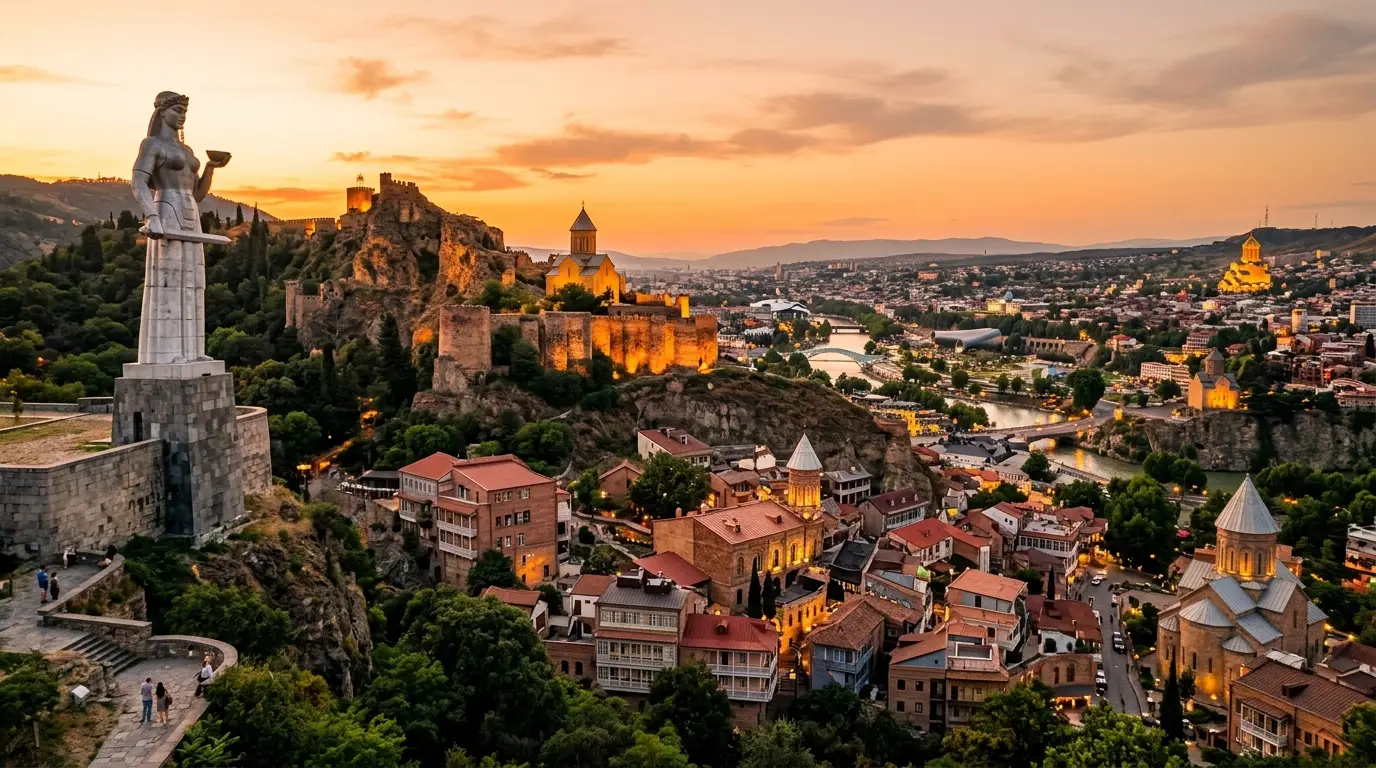
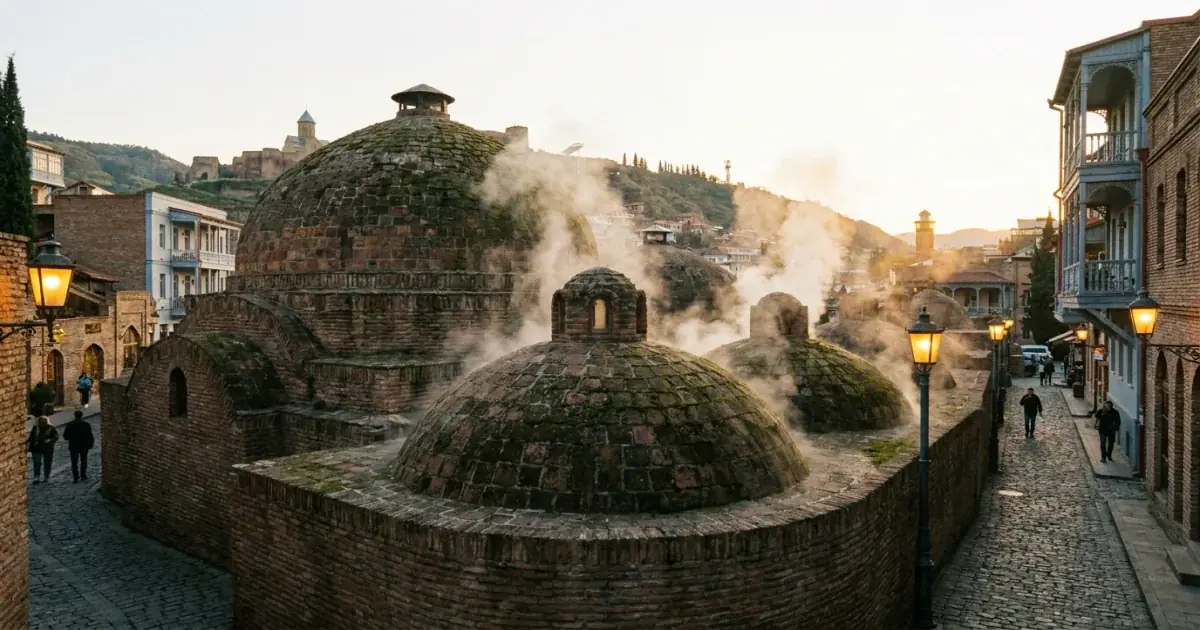
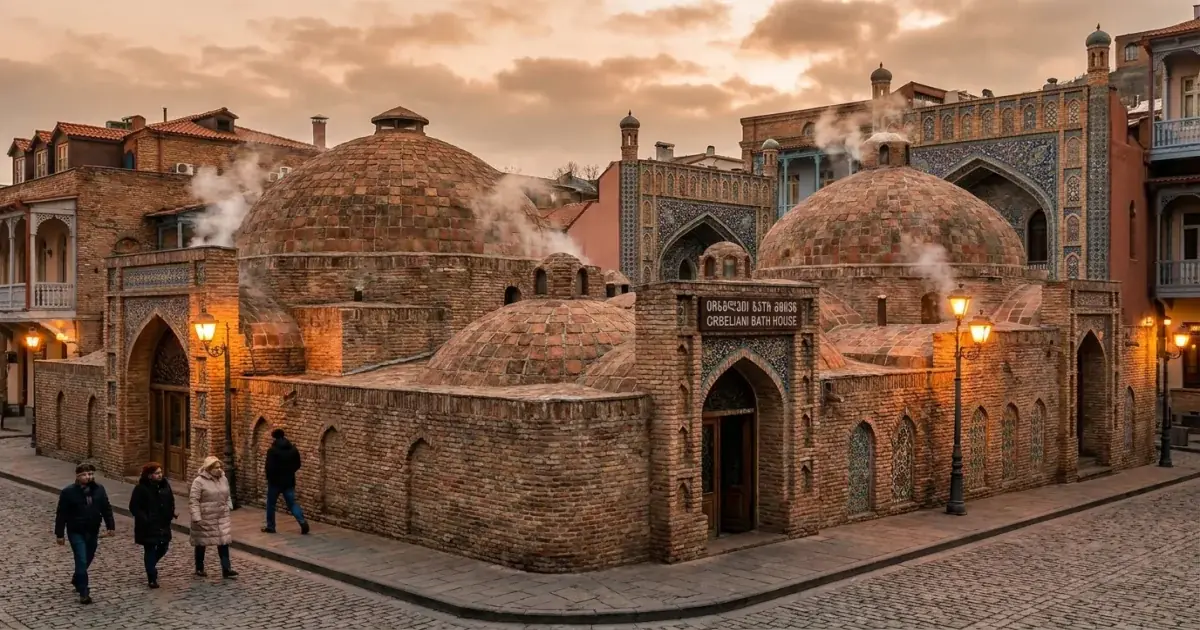
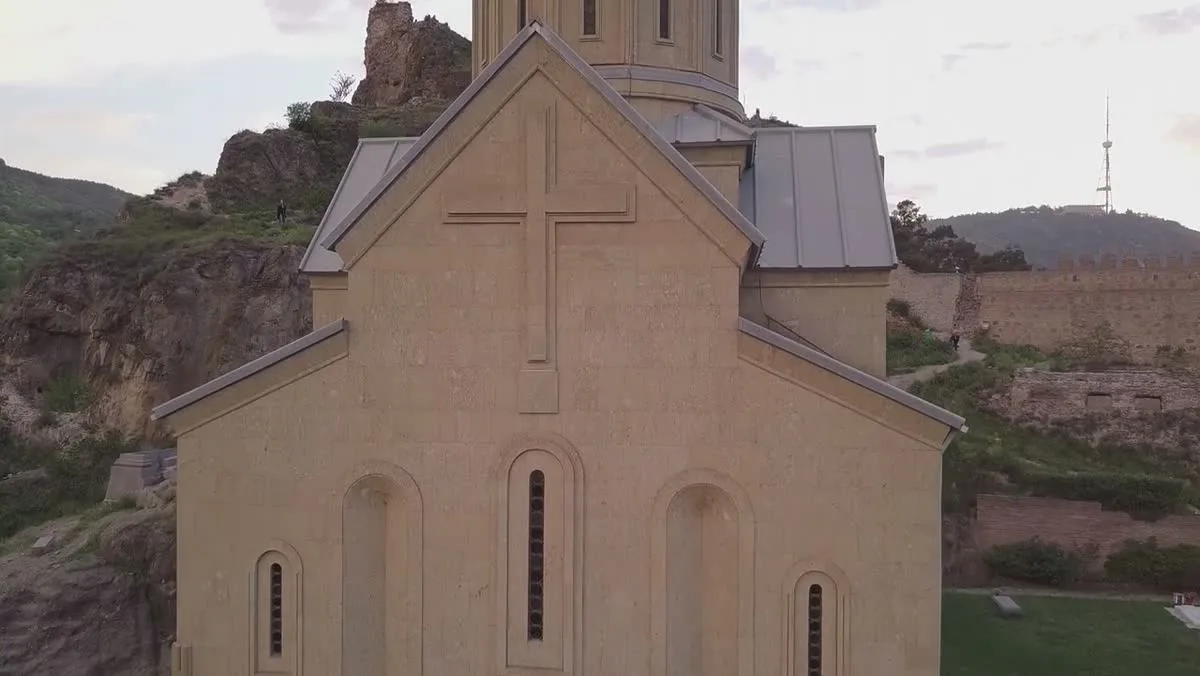
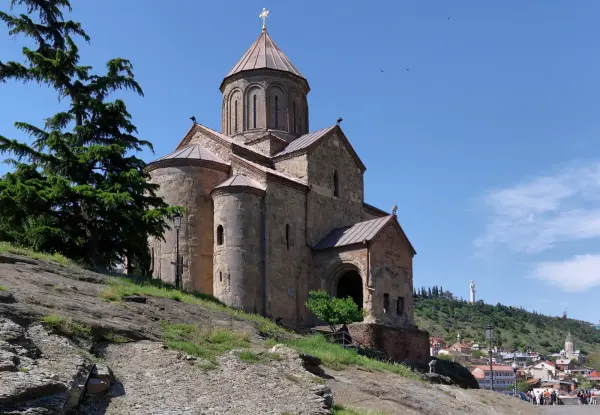
The Old Town grew up around these springs. The Abanotubani quarter with its domed baths, Metekhi with its 5th-century church above the cliff, Narikala, a Persian fortress expanded by the Arabs. Every conqueror left a mark on the architecture.
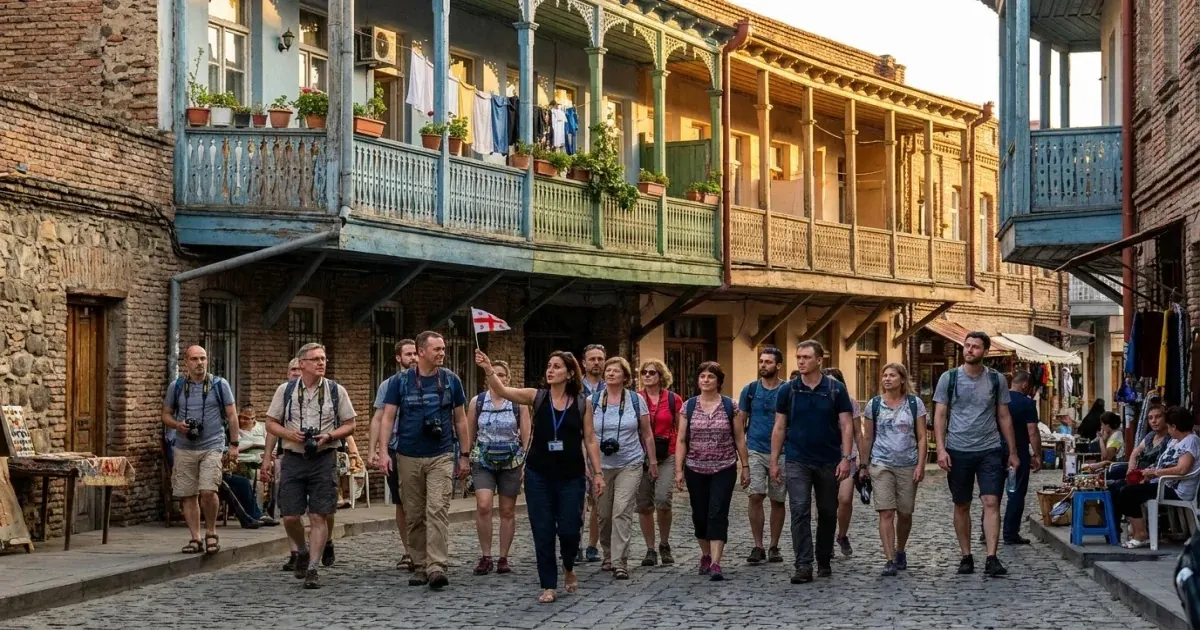
Of particular interest are the residential quarters with wooden balconies. They are not scenery for tourists: people still live here. The guide knows the stories of specific houses and families, which help you understand how the city has changed.
What makes this tour different
Unlike mass bus tours, there are no compulsory stops at souvenir shops and no promotional stops. Just history, architecture and the real Tbilisi.
The route adapts to your interests: history lovers get more time at Metekhi and Narikala, architecture lovers go deeper into the courtyards and balconied streets. Read also: Tbilisi in 1 day: itinerary.
Detailed itinerary and what to see
On the Old Tbilisi tour you will see many interesting sights. We start at Freedom Square with its St. George monument, then head to Shardeni Street, known for its cosy cafés and galleries. Walking through the narrow lanes, you reach the Abanotubani quarter, famous for its sulphur baths, where you can not only learn about bathing traditions but also enjoy a relaxing treatment.
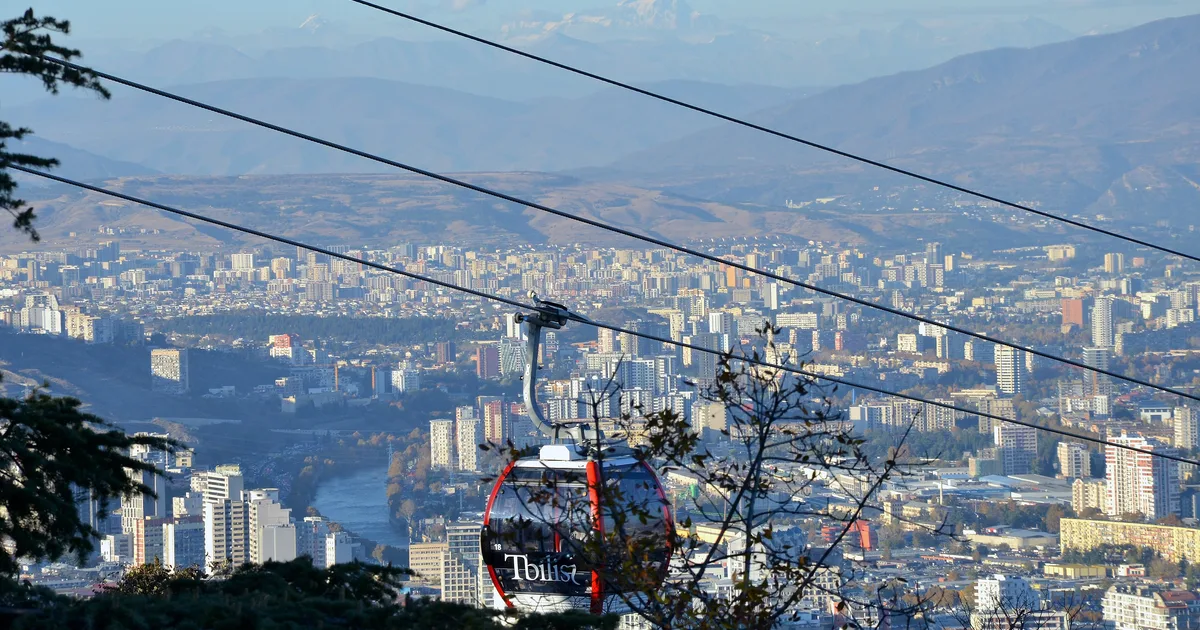
The next stop is Narikala Fortress, with a stunning view of the city and the Mtkvari River. You can ride up on the cable car, which adds a little adventure to your route. After the fortress, we go to the beautiful Metekhi Church, built on a cliff, and see the statue of King Vakhtang Gorgasali, the city's founder. Each of these stops is full of history and atmosphere that make Old Tbilisi unique.
Be sure to notice the architecture of the old houses with carved balconies and pretty courtyards, where you can take lots of great photos. At the end of the tour we visit the famous Leselidze Street, where you can try local dishes in one of the restaurants and enjoy live music. This route will not only introduce you to the history but also let you feel the atmosphere of Tbilisi.
Practical tips
Before setting off, dress comfortably and for the weather. In summer, light breathable fabrics work well; in the cooler months, bring a sweater or jacket, as it can be a bit windy up at the fortress. Also wear comfortable shoes, as the tour involves a lot of walking on cobbled streets.
- Don't forget a bottle of water, especially on hot days, to stay hydrated.
- A camera or smartphone will definitely come in handy for capturing beautiful moments and views.
- The best time for the tour is spring or autumn, when the weather is comfortable and not too hot.
- Be sure to carry a little local currency to try street food or buy souvenirs.
Frequently asked questions
How long is the excursion?
The Old Tbilisi excursion lasts about 3 hours. That’s enough time to visit the main sights and enjoy the atmosphere of the city.
What language is the excursion in?
The tour is led by a local guide, which lets you understand the history and culture of Tbilisi more deeply and ask your guide questions. The guide also speaks fluent English.
What happens if it rains?
The excursion goes ahead in the rain, as many sights are covered or indoors. Bring an umbrella or a raincoat to stay comfortable.
How much walking is there?
It’s a walking tour of about 5 hours, with climbs up to Narikala Fortress. You can go up by cable car — you need comfortable shoes and water in the warm season.
Can I try the Abanotubani sulphur baths?
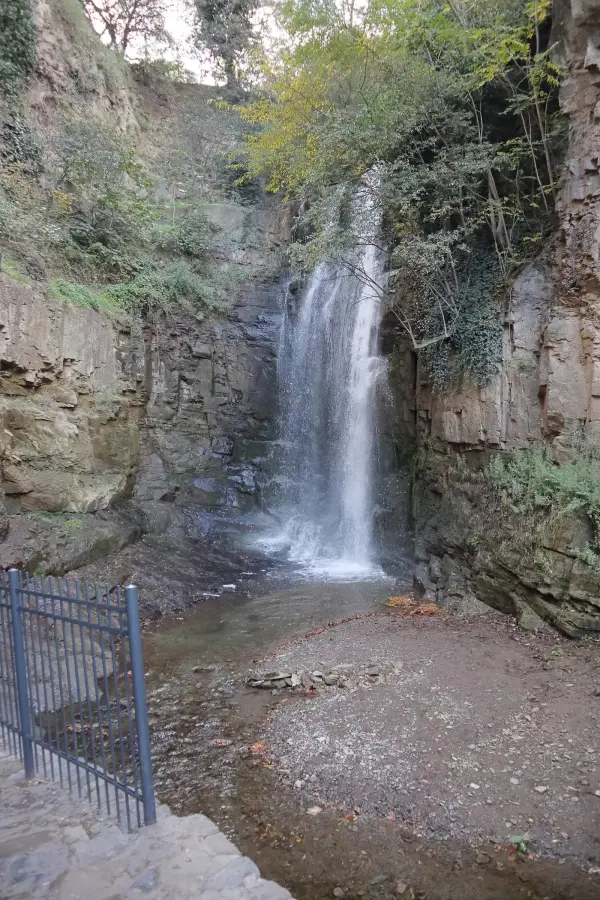
Abanotubani is the historic district of sulphur baths. On the tour we explore it and walk into the picturesque Leghvtakhevi gorge with its waterfall. A bath visit itself is optional and separate; tell us in advance and the guide will recommend trusted ones and plan the time.
What is included in the price?
The price includes a guide for the whole walk. The cable car to Narikala, the sulphur baths and tastings are paid separately if you want them.
Tip
Old Tbilisi is above all about its courtyards. Behind every wooden door with carved balconies hides a separate world: a grapevine, a fountain, a cat on the windowsill, the smell of grilled meat. We lead groups not along the main streets but through the passage courtyards between Leselidze and Kote Abkhazi streets, where you can suddenly come out at the sulphur baths or a ruined 14th-century Armenian church. A must-stop is the Puris Sakhli bakery on Irvina Hill, where shoti bread is baked in a wood-fired oven for ₾1.5 each. The best time for a walk is early morning or after 17:00, when there are fewer tourists and the city reveals a different side.
The synagogue on Ashkharumova Street is one of the oldest active synagogues in the Caucasus, built in 1895. Nearby are the Juma Mosque and the Armenian Norashen Church: three religious buildings within 100 metres of each other. This is not a museum: they are all active. On Fridays several hundred people gather at the mosque. This is the real Tbilisi, not for postcards but for understanding.
Old Tbilisi is not a museum but a living neighbourhood. We lead you through courtyards that are not on the map: Italian courtyards with grapevines, a mosque next to a synagogue, underground baths. In 3 hours you will see the Tbilisi that bloggers don't show.
Practical information
The tour starts from your hotel in Tbilisi. We pick you up in a comfortable air-conditioned car. Group: up to 7 people, children welcome. Payment in lari (₾) in cash or by transfer. Booking via WhatsApp — we reply within 10-15 minutes and send a confirmation with the route details.
When to book
In high season (May-October) we recommend booking 3-5 days ahead. In winter and the off-season, a day ahead is fine. Free cancellation up to 48 hours before the start. In case of rain or bad weather, we reschedule at no extra cost.
What’s included in the price
Hotel pick-up and drop-off, local guide services, all entrance tickets along the route, bottled water. Not included: lunch (average restaurant bill 25-40₾), personal purchases and souvenirs.