Borjomi Arboretum
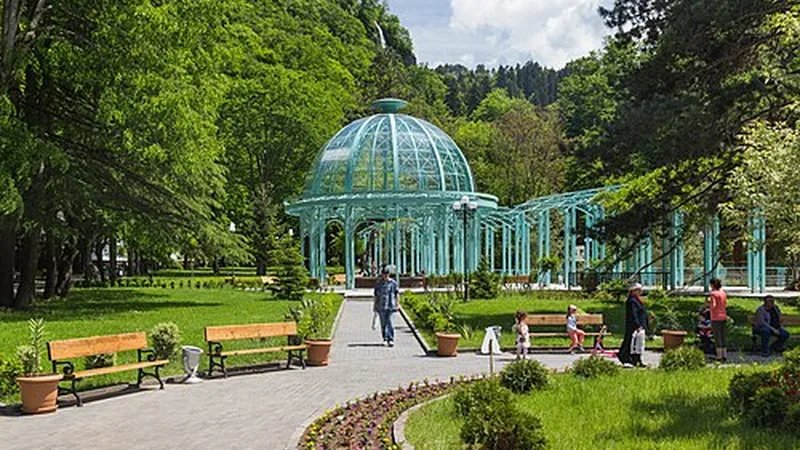
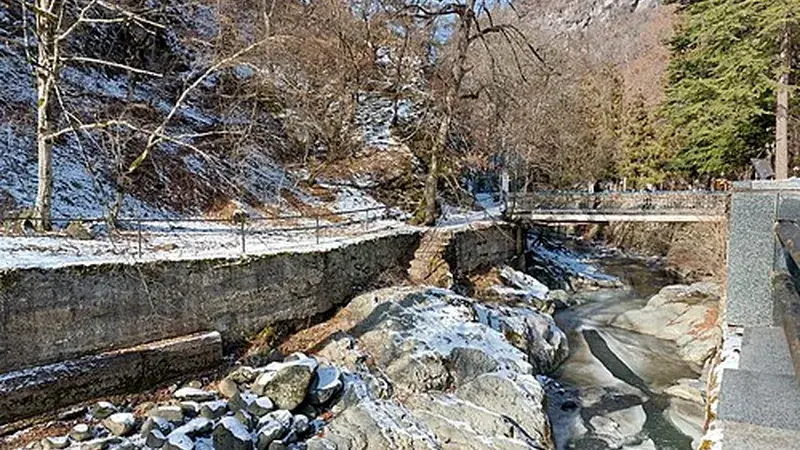
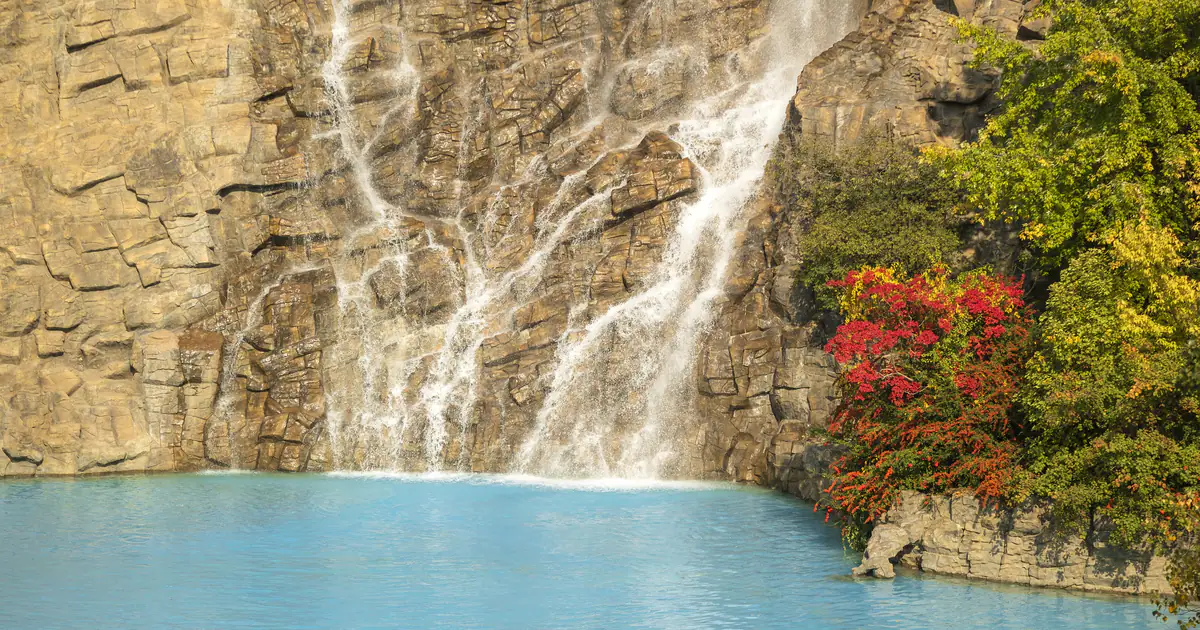
The park was founded in 1892 as a retreat for the Russian imperial family. Grand Duke Mikhail Nikolaevich built a palace here (now a sanatorium). The 17-hectare park with centuries-old sequoias, pools and gazebos has survived almost in its original form.
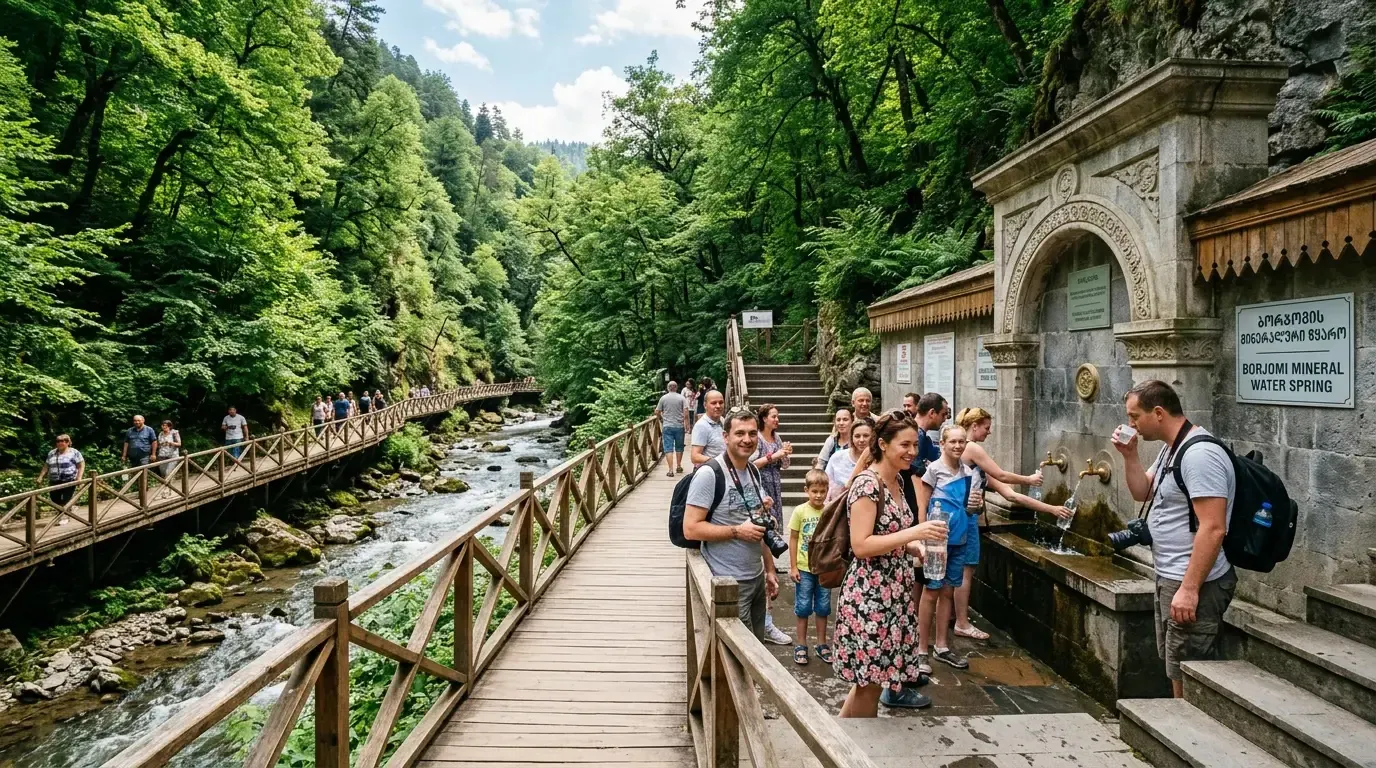
At the end of the park is the Borjomi mineral water spring. The water is hot (about 37°C) and smells of sulfur — not everyone likes the smell, but it is said to be good for digestion. You can try it for free.
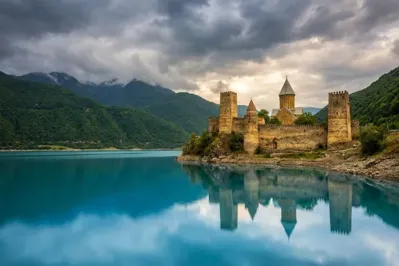
Rabati Fortress
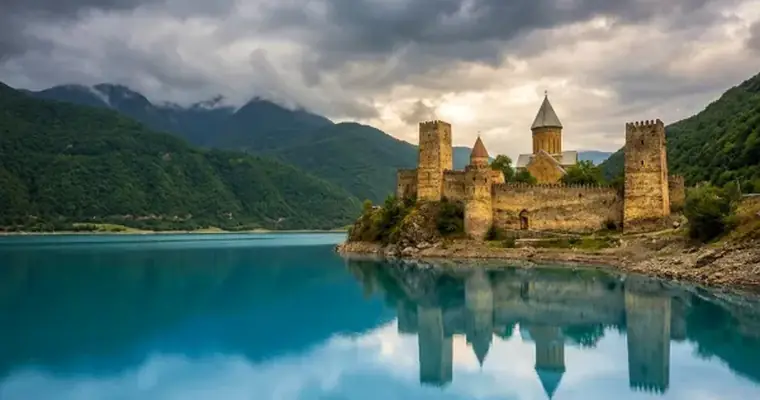
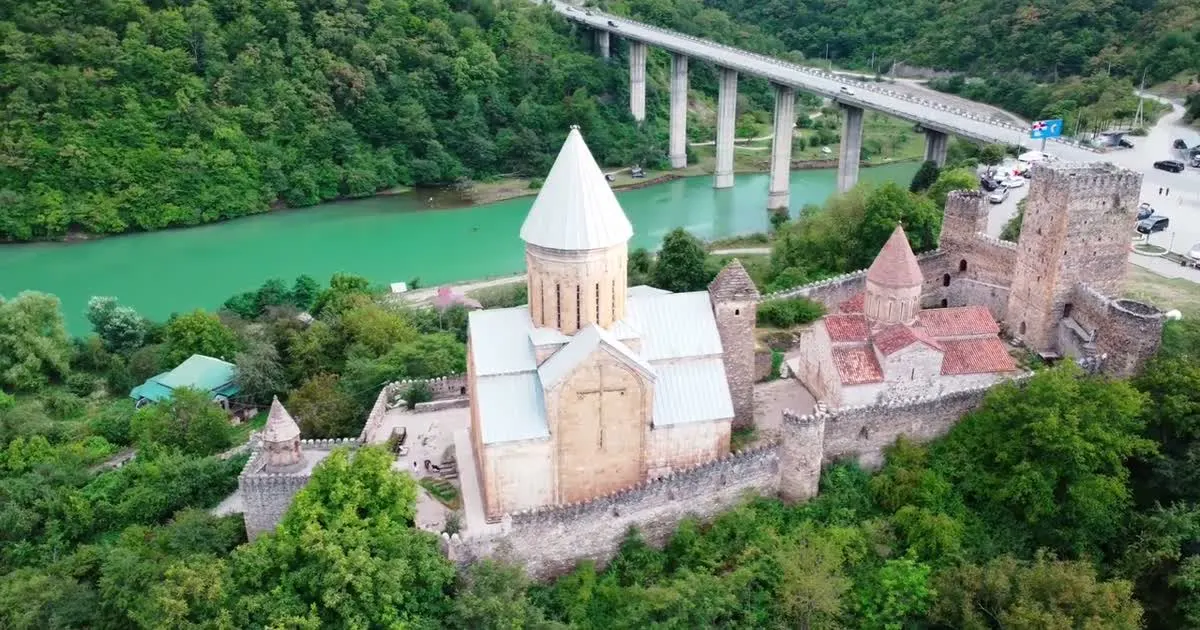
40 km from Borjomi lies Akhaltsikhe with Rabati Fortress. This unique complex from the fourteenth to nineteenth centuries brings together an Orthodox church, a mosque and a synagogue — evidence of the region’s multicultural history.
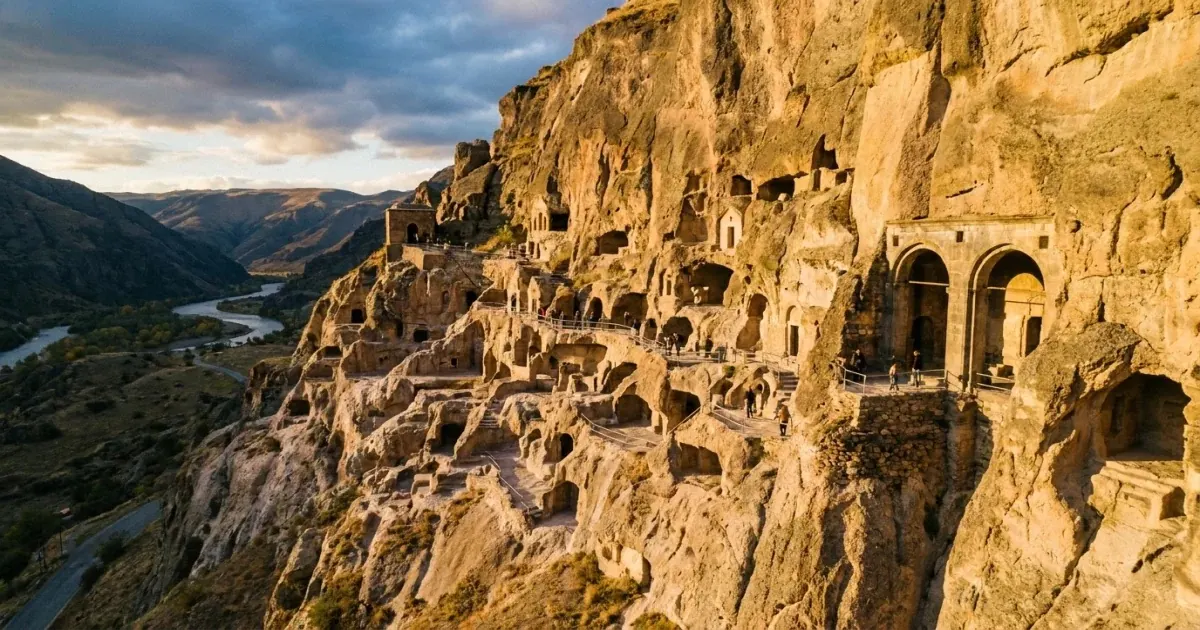
Return to Tbilisi around 20:00. The route can be combined with Vardzia, a twelfth-century cave city: Vardzia tour.
Detailed itinerary and what to see
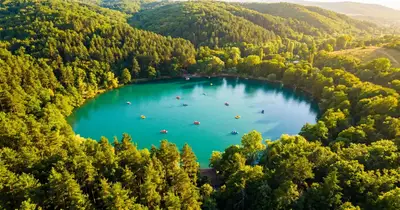
The Borjomi tour starts with a morning departure from Tbilisi. On the way you can enjoy picturesque Georgian landscapes that will delight you throughout the journey. The first stop is Borjomi Arboretum, where you can stroll among centuries-old trees and enjoy the fresh air. There are also many little ponds and gazebos where you can take beautiful photos and rest from the drive.
After the park we head to the mineral water springs. You can try the famous Borjomi water straight from the tap and learn about its health benefits. Then we continue our journey to Akhaltsikhe, home to Rabati Fortress. This historic place impresses with its architecture and history and offers magnificent views of the surroundings. To round off the day, you can enjoy local cuisine at one of the restaurants serving the best dishes of Georgian cuisine.
Do not miss the chance to buy local souvenirs and mineral water to take a piece of Borjomi home with you. Your tour will be full and varied, leaving you with many vivid impressions.
Practical tips
Before setting off for Borjomi, make sure you are well prepared for the trip. Comfortable shoes are a must, as you will do a lot of walking in the park and at historic sites. Dress in layers to stay comfortable all day, especially since mountain weather can change quickly. Also remember to bring sunscreen, especially if you plan to spend a lot of time outdoors.
- Remember to bring a bottle of water, especially if you plan to walk a lot.
- The best time to visit Borjomi is spring and autumn, when the weather is mild and nature is especially beautiful.
- Make sure you have a camera or smartphone to capture the beautiful moments and scenery.
- Bring a light snack to keep you going on the road, as the tour can take the whole day.
Frequently asked questions
What is the best time of year for a Borjomi excursion?
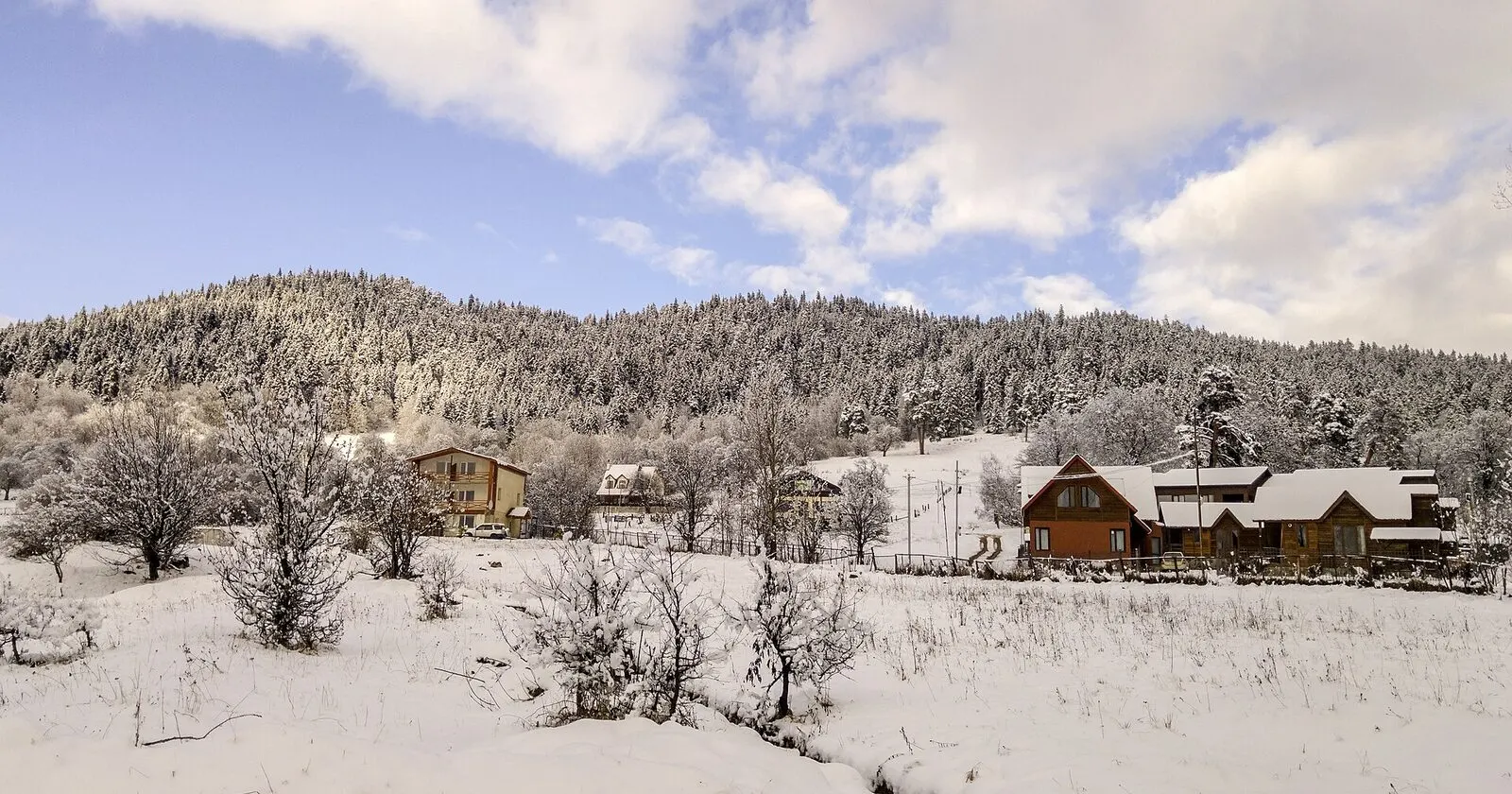
The best months to visit Borjomi are spring and autumn, when the temperature is comfortable and nature is full of colour. Summer can be hot, and in winter there may be snow, which has its own charm but requires some preparation.
How long is the excursion?
The Borjomi excursion takes a full day. We leave Tbilisi early in the morning and return to the city in the evening, so you can fully enjoy all the sights and the atmosphere of this beautiful region.
Do we need a guided tour?
You can visit Borjomi on your own, but an excursion with an experienced guide gives you a deeper understanding of the region’s history and culture. The guide shares interesting facts you might miss travelling independently and helps organise your time for maximum comfort.
Can I try the mineral water?
Yes, for free. Borjomi park has a pump room with warm mineral water straight from the spring — you can drink it and fill a bottle. The taste is salty and warm, an acquired taste.
How much are the entrance fees and the cable car?
Entry to Borjomi park is ₾15, the cable car ₾5, Rabati Fortress ₾5. Payment on site in lari. Mineral water tasting is free.
Is lunch included in the price?
Lunch is not included — we stop at a restaurant, average bill ₾25–40. The guide will recommend where to eat well along the way.
Tip
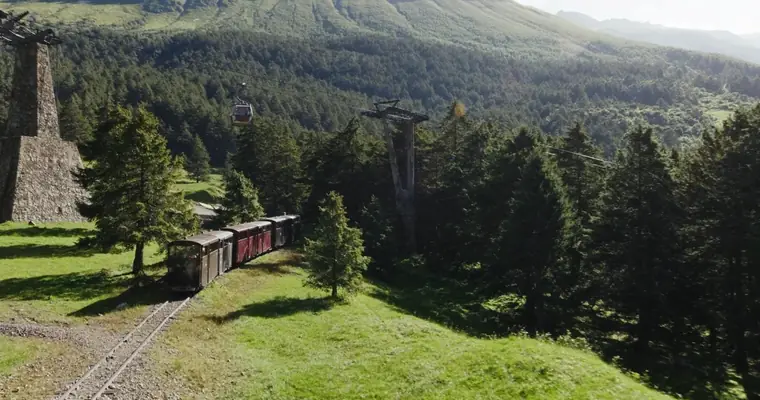
We recommend trying Borjomi water straight from the spring at the end of the park — it is hot, about 37°C, and smells strongly of sulfur. The smell is unusual, but it means a high mineral content. Fill a bottle and let it cool — it tastes better cold. The arboretum has a cable car for ₾5 that many people skip: it takes you 500 meters above the town, and from there you can see the whole gorge. After Borjomi we drive to Akhaltsikhe — Rabati Fortress is open until 18:00, entry ₾5. If Vardzia is also on your list, it is the perfect combination: Borjomi in the morning, Rabati at lunchtime, and a stop by the Mtkvari River on the way back.
In Borjomi it is worth visiting the old nineteenth-century Armenian cemetery on a hill above the town — officers of the Russian Empire, merchants and local nobles are buried there. The inscriptions are in Armenian, Russian and Georgian. The view of the gorge from there is better than from the cable car, and there is nobody around. Tourists do not know about it — we found it by chance three years ago.
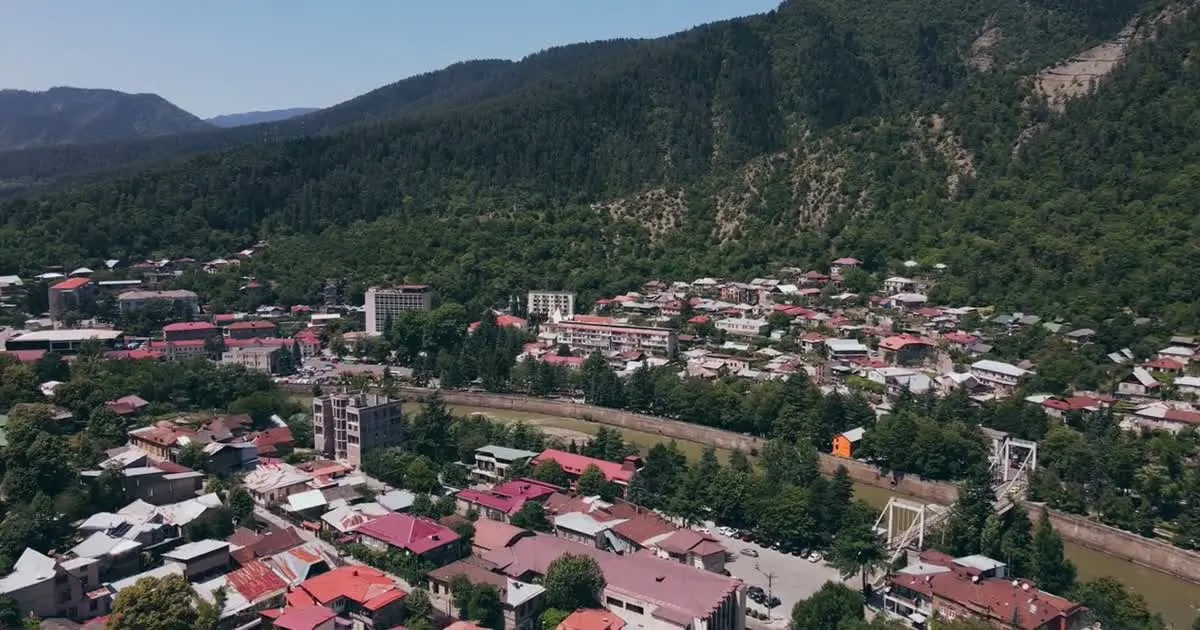
Borjomi is more than mineral water. There is the Central Park with hot pools (₾15 entry), the cable car with views of the gorge, and quiet streets with wooden balconies. We take guests to places without tourists — to the sulfur springs further up the trail.
Practical information
The tour starts from your hotel in Tbilisi. We pick you up in a comfortable air-conditioned car. Group: up to 7 people, children welcome. Payment in lari (₾) in cash or by transfer. Booking via WhatsApp — we reply within 10-15 minutes and send a confirmation with the route details.
When to book
In high season (May-October) we recommend booking 3-5 days ahead. In winter and the off-season, a day ahead is fine. Free cancellation up to 48 hours before the start. In case of rain or bad weather, we reschedule at no extra cost.
What’s included in the price
Hotel pick-up and drop-off, local guide services, all entrance tickets along the route, bottled water. Not included: lunch (average restaurant bill 25-40₾), personal purchases and souvenirs.