The history of Vardzia
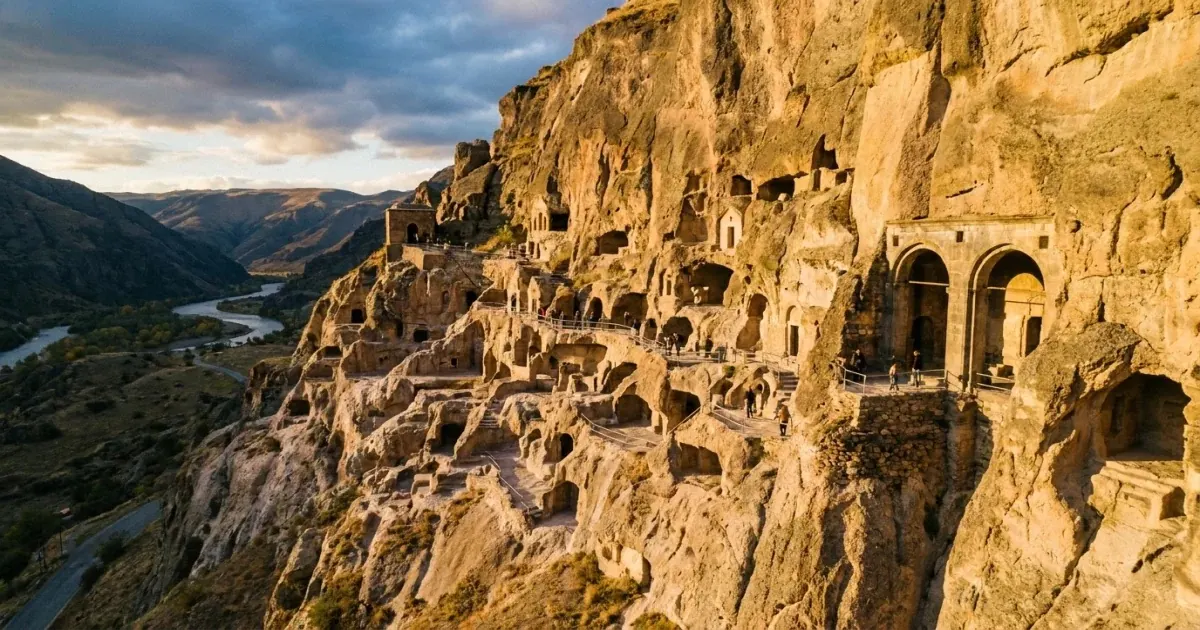
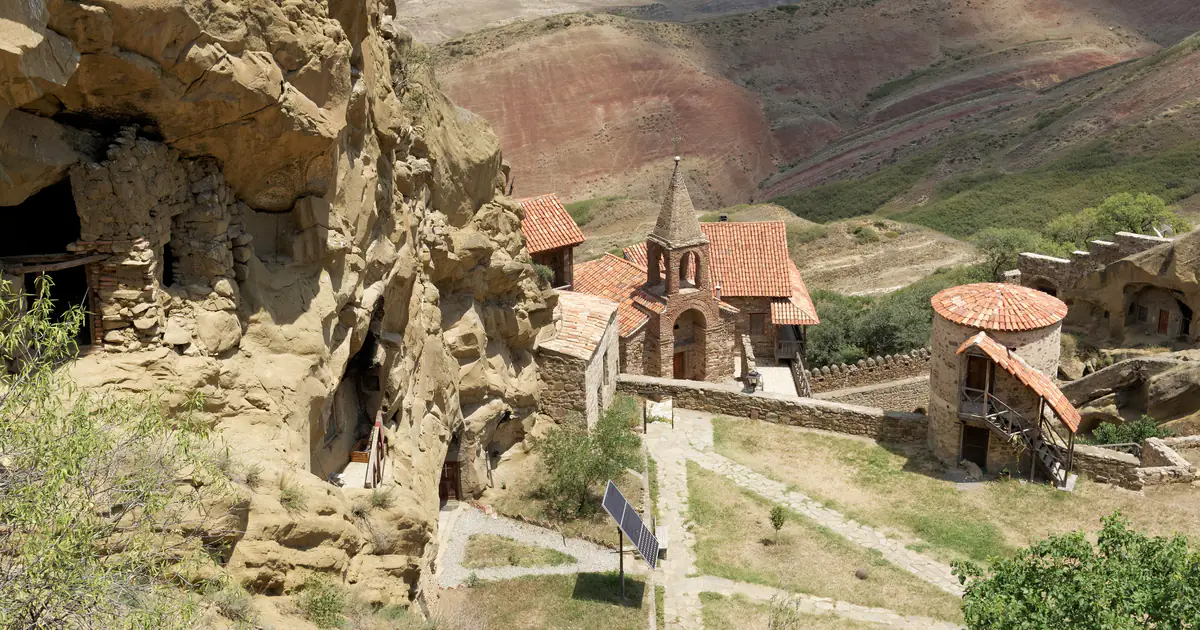
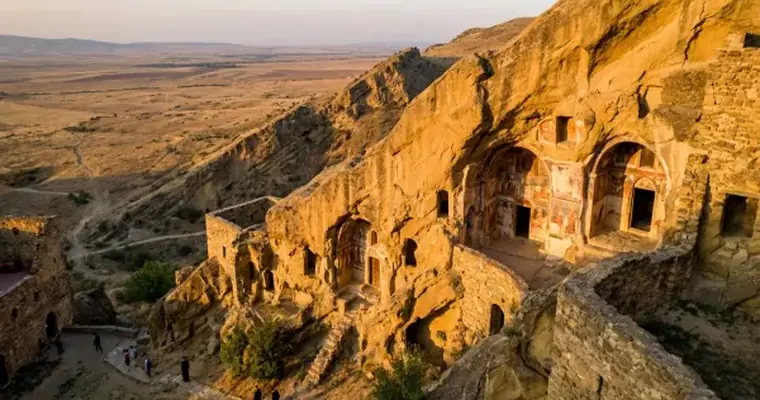
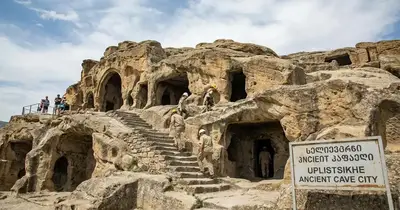
The monastery was founded by King George III in 1156 and expanded by his daughter, Queen Tamar, under whom Georgia enjoyed its "golden age". Vardzia had 6000 monks, 13 levels of caves and 500 rooms, including bakeries, smithies and a hospital.
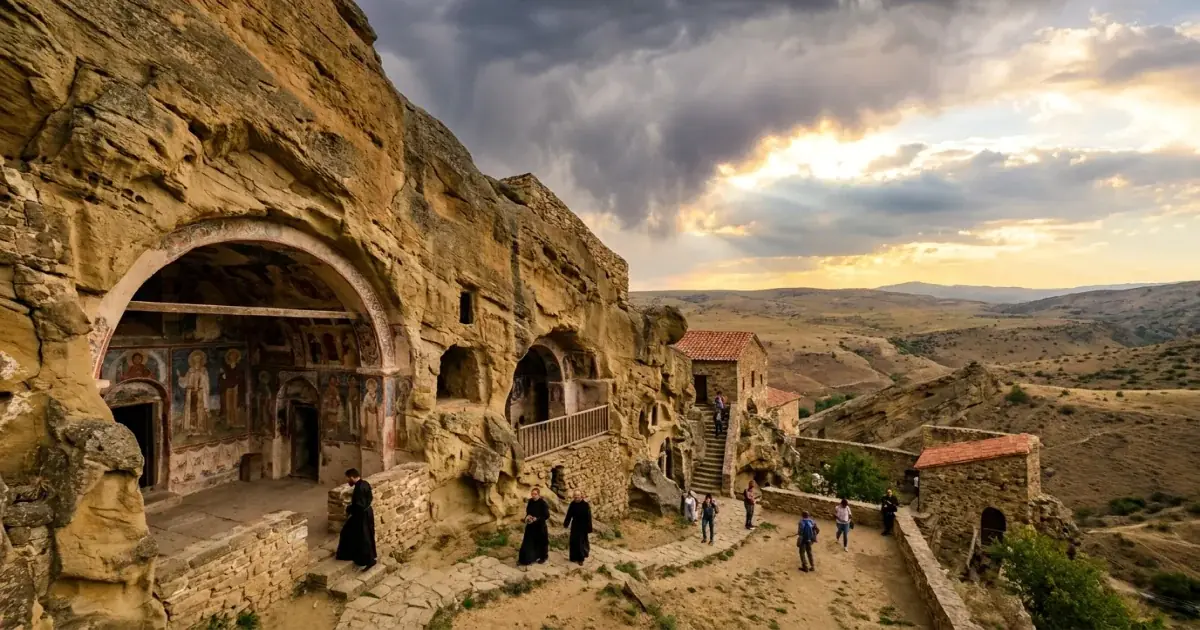
In 1283 a strong earthquake brought down the front of the cliff, leaving about two-thirds of the caves open to the outside. Today we see the monastery "in cross-section", like a multi-storey slice of the mountain with thousands of openings.
Surviving frescoes
The main Church of the Dormition preserves 12th-century frescoes. The most valuable is a portrait of Queen Tamar painted in her lifetime, one of the few authentic images of her.
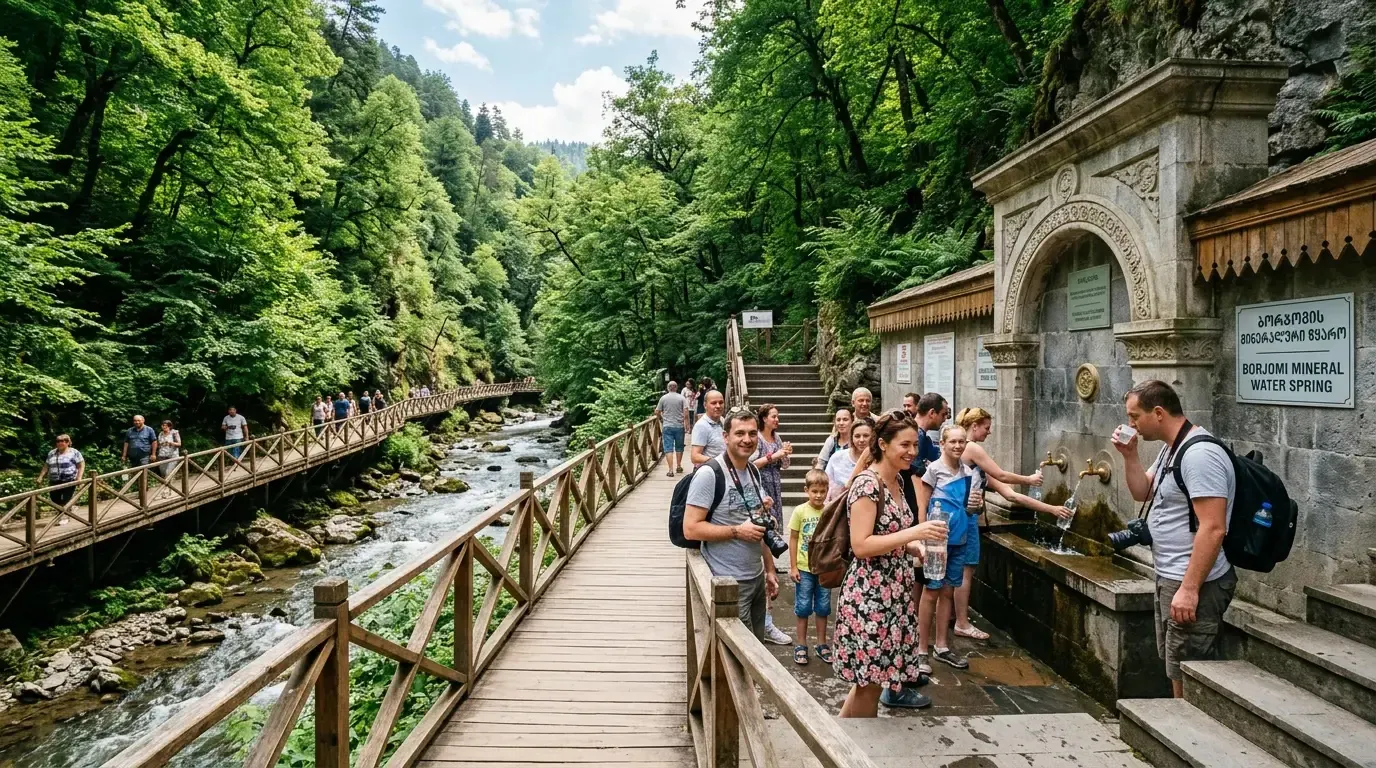
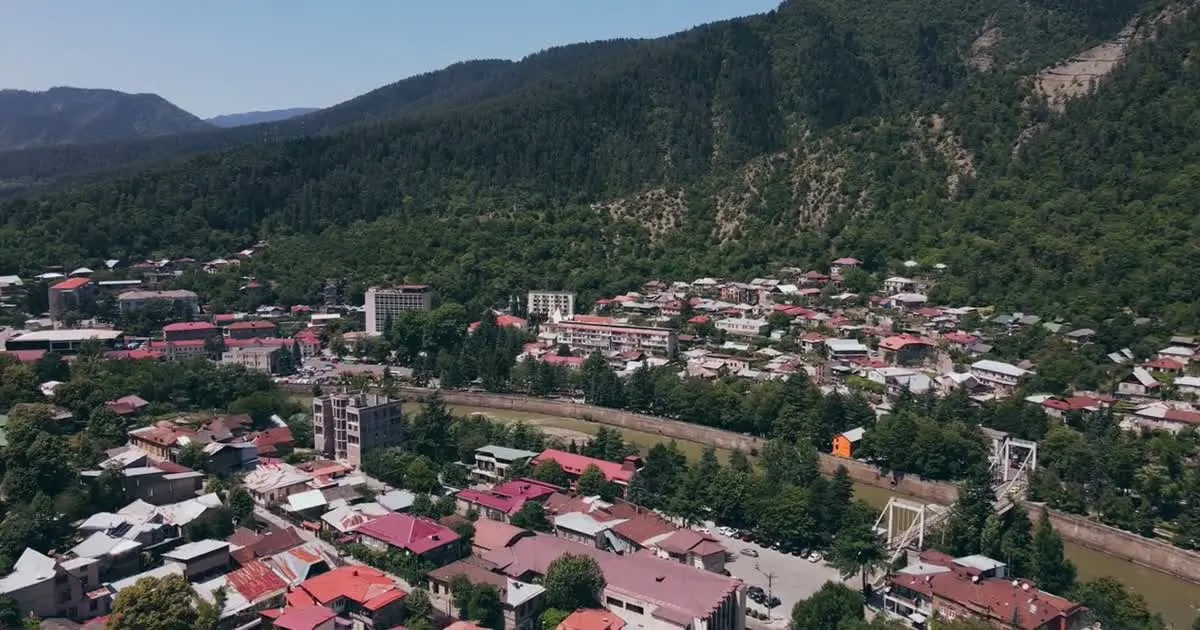
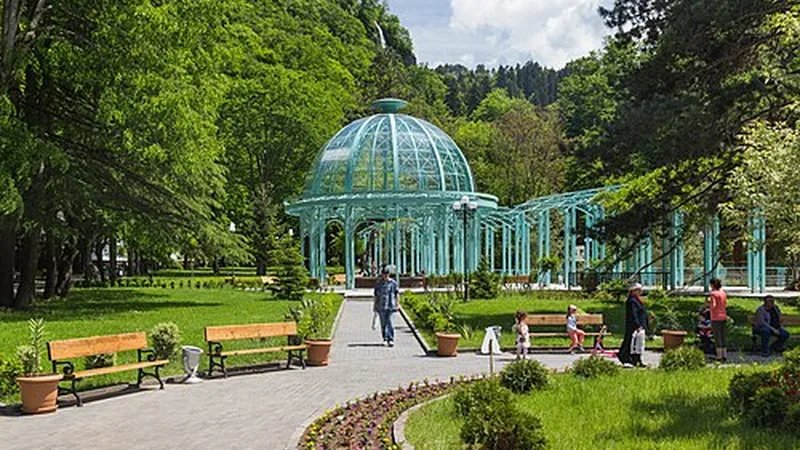
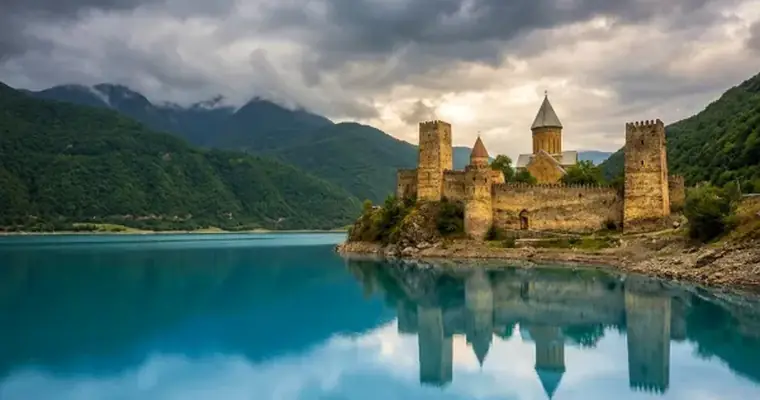
The route usually includes Rabati Fortress in Akhaltsikhe. On the way we pass through Borjomi. See also: Borjomi from Tbilisi.
Detailed itinerary and what to see
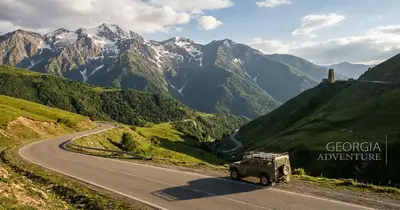
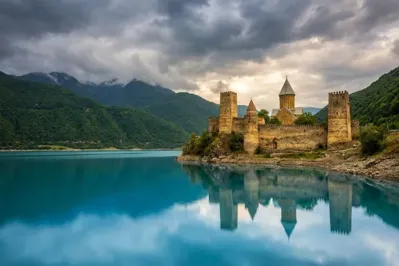
The Vardzia tour starts in Tbilisi, where an experienced guide meets you. The journey takes about 3 hours, and along the way you can enjoy Georgia's beautiful scenery, passing through scenic gorges and hills. The first stop is Rabati Fortress in the town of Akhaltsikhe. Restored in recent years, the fortress impresses with its architecture and historical monuments, and here you can learn about the history of the region.
After the fortress you head to Vardzia itself. On arrival you are greeted by a majestic cave complex where you can explore its many levels and caves. The guide will tell you about the lives of the monks in the Middle Ages and the significance of this place in Georgian culture. Don't forget to take photos against the breathtaking landscapes that open up from the height of the caves!
During the tour you will also be able to visit the church and see unique frescoes preserved since the 12th century. These works of art are not only religious symbols but also a vivid reflection of Georgia's cultural heritage. The tour ends with the return to Tbilisi, leaving you with plenty of impressions and knowledge of the country's rich history.
Practical tips
When planning a Vardzia tour, keep a few practical points in mind. Bring comfortable shoes, as you will be walking a lot on rocky paths and stairs inside the monastery. Also bring water and light snacks to keep your energy up during the day. Sunscreen and a hat are essential, especially in the summer months.
- Bring comfortable shoes: the tour involves a lot of walking.
- Don't forget your camera or smartphone to capture the beautiful views and unique frescoes.
- The best time to visit Vardzia is spring or autumn, when the weather is milder and comfortable for walking.
- Make sure you have enough water and some snacks to keep up your strength during the tour.
Frequently asked questions
How long is the Vardzia excursion?
The Vardzia excursion from Tbilisi usually takes a full day, including the drive, a visit to Rabati Fortress and Vardzia monastery itself. Overall it takes about 8–10 hours, depending on the time spent at each stop.
What is included in the excursion price?
The excursion price includes transport, the guide and entrance tickets to Rabati Fortress and Vardzia cave monastery. Light snacks and water on the way may also be offered — please check when booking.
Are there age restrictions for the excursion?
The Vardzia excursion is open to all ages, but we recommend that children be over 6. Adults should be ready for physical activity, as the excursion includes walking and climbing stairs.
How much are the entrance tickets?
Entry to Vardzia cave monastery is ₾7, Rabati Fortress ₾5. Payment on site in lari. The guide accompanies you along the whole route.
Is it hard to climb around the Vardzia caves?
Vardzia is a multi-level cave town in the rock: steps, narrow passages and a tunnel to the main church. You need comfortable shoes; if you’re uncomfortable in confined spaces, keep the narrow galleries in mind.
Is it a long drive to Vardzia?
It’s the farthest day trip — about 4 hours each way. We leave early in the morning; the whole tour takes 8–10 hours including the drive, Rabati and the monastery.
Tip
Thousands of tourists come to Vardzia, but few know that the most powerful moment is not the central part but the upper tier, which most groups never reach. You get there by a narrow staircase at the northern end of the complex, and from there you see the whole Mtkvari gorge at once. The frescoes in the main church can't be photographed with flash, but without it you can: in the right-hand chapel there is a portrait of Queen Tamar painted in her lifetime, a rarity. On the way back in Akhaltsikhe we visit Rabati Fortress (entry ₾5). Within a 50-metre radius the fortress has a small mosque, an Armenian church and an Orthodox cathedral, a living symbol of what the border between civilisations was in the Middle Ages.
Near Vardzia there is another place we always show: the medieval Khertvisi, standing on a rock above the confluence of the Mtkvari and Paravani rivers. It is one of the oldest fortresses in Georgia, dating from the 4th century BC. It is a 10-minute drive from the highway, and entry is free. While the big groups drive straight to Vardzia, we stop here for 20 minutes, and it is worth it.
Vardzia is a 12th-century cave monastery carved into the rock on 13 levels. 6000 caves, frescoes of Queen Tamar, underground tunnels. The trip is long (260 km), but the road runs through the most beautiful canyons of southern Georgia. On the way: Rabati Fortress.
Practical information
The tour starts from your hotel in Tbilisi. We pick you up in a comfortable air-conditioned car. A maximum of 7 people per group — an individual approach to everyone. The route is flexible: we can add or drop stops as you wish. Languages: Russian, English, Georgian.
Booking and payment
Message us on WhatsApp (+995 511 27 26 23) — we reply within 10-15 minutes, even at night. 10% prepayment when booking, the balance on the day of the tour. We accept cash in lari (₾), bank transfer and cryptocurrency. Free cancellation up to 48 hours in advance. In high season (May-October), book 3-5 days ahead.
What to bring
Comfortable shoes (even on car tours there will be 30-60-minute walks), a bottle of water (we provide extra), cash in lari for lunch and souvenirs. In winter — a warm jacket and gloves. In summer — sunscreen and a hat.