What real chacha is
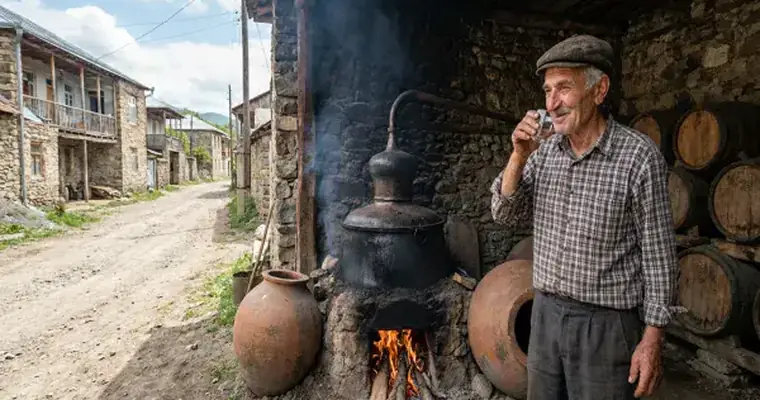
Factory chacha is one thing. Homemade is something else entirely. Real chacha is made from pomace — the grape leftovers after winemaking. The pomace is fermented, then distilled in a copper alembic. The first run — the “head” — is poured away; only the “heart” is kept.
The host will show and explain the whole process. You’ll see a traditional alembic and learn why the collection temperature matters, how to judge readiness “by eye” and why grandfathers kept chacha in oak barrels.
Tasting
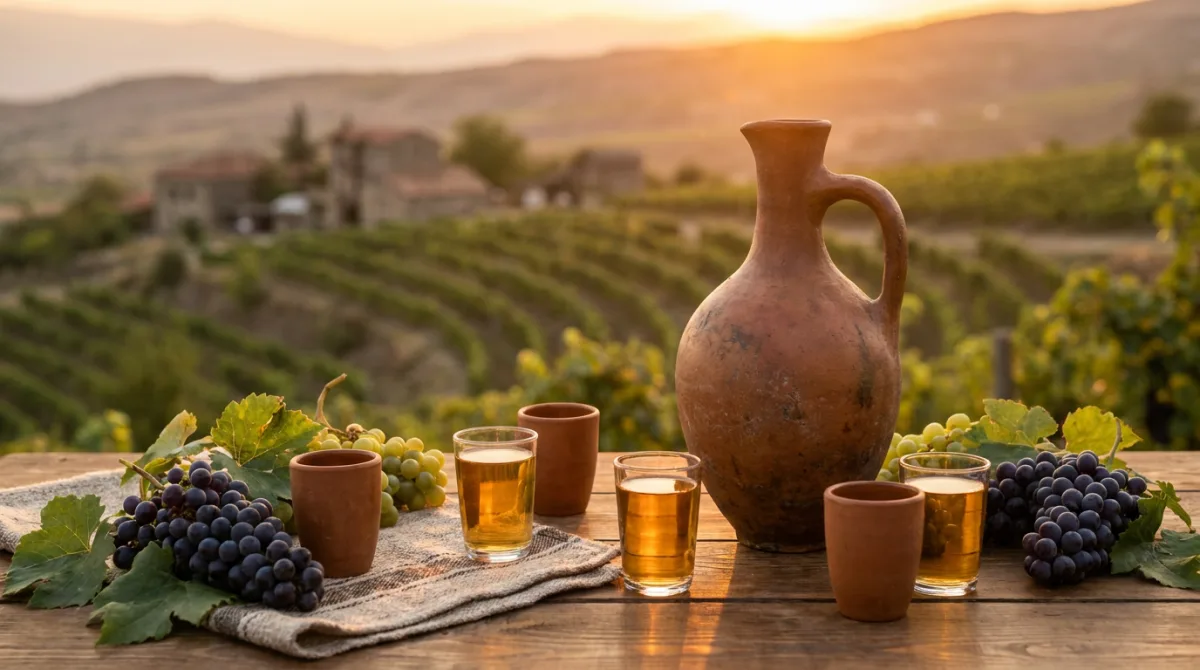
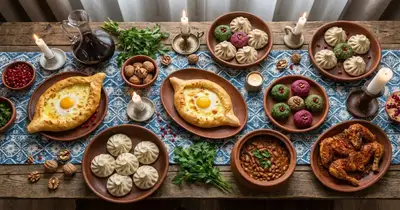
We try several kinds: young chacha (sharp, bright), oak-aged (smooth, with vanilla notes), a walnut infusion on chacha and a fig one. Snacks — homemade cheese and bread.
You can buy a few bottles of homemade chacha to take home — the best souvenir from Georgia. See also: Food tour.
Detailed itinerary and what to see
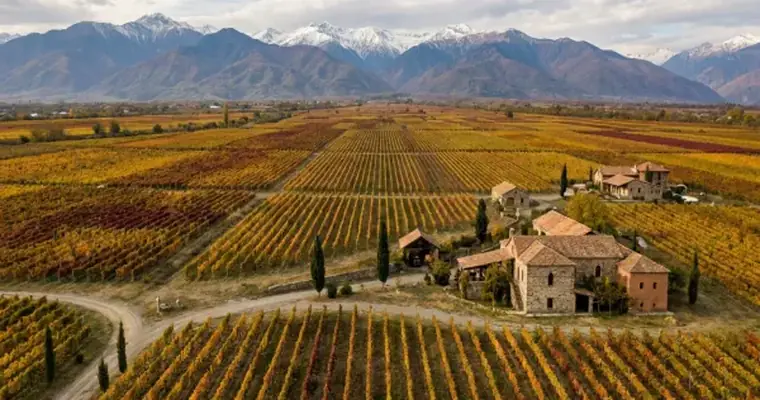
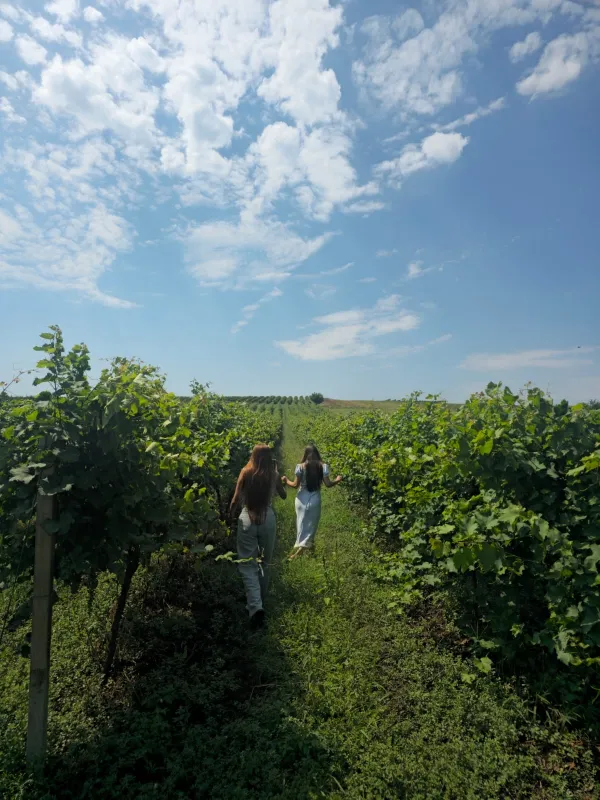
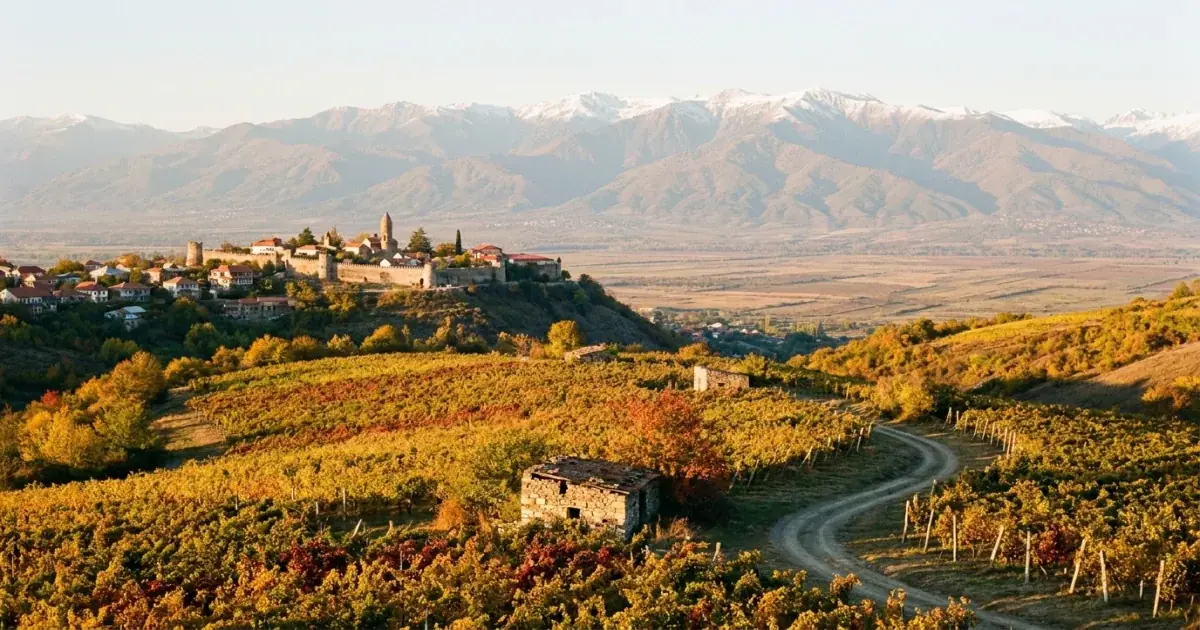
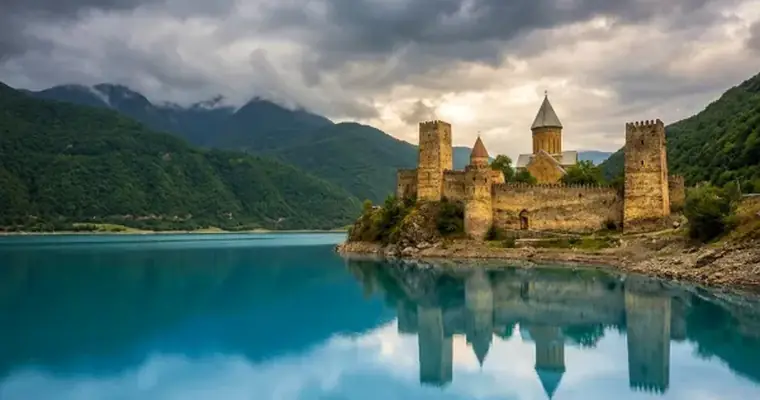
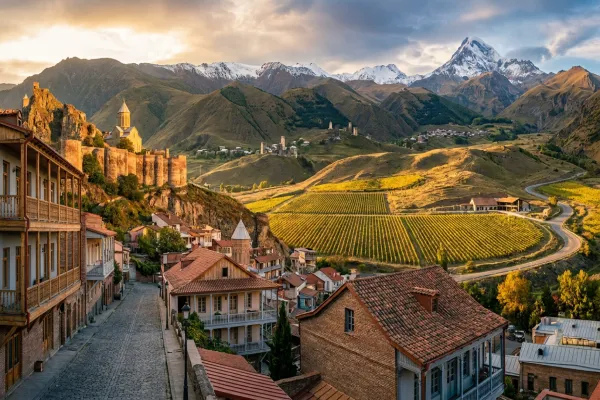
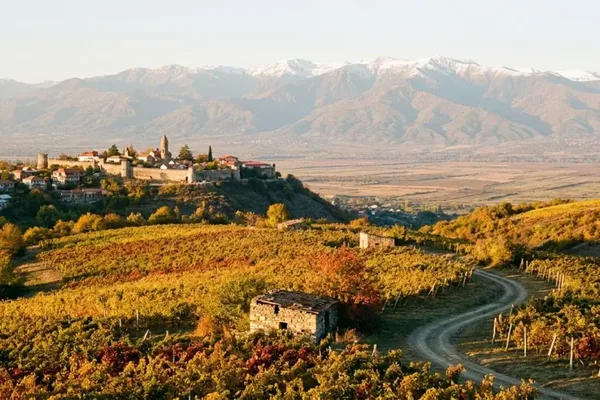
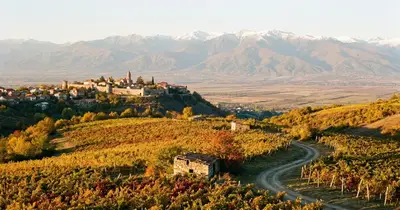
The chacha master class in Kakheti starts with a fascinating tour of the region’s picturesque wineries. You’ll enjoy the beauty of Kakhetian landscapes, where majestic mountains sit next to green vineyards. First you’ll learn about how chacha is made, the raw materials used and the traditions linked to the drink. The host of the master class will not only demonstrate distillation but also share interesting stories about Georgian culture and the place of chacha in local life.
After the theory, you can take part in the distillation. You’ll see how distilling works and join a tasting of different kinds of chacha that vary in strength and flavor. Another highlight is getting to know traditional Kakhetian cuisine: you can try local snacks that pair perfectly with chacha. This will not only help you better understand the region’s food traditions but also create the atmosphere of genuine Georgian hospitality.
At the end of the master class you’ll have the chance to ask questions and discuss what you saw with the host, making your visit even more informative and memorable. Don’t miss the chance to enjoy this unique cultural tradition and immerse yourself in the atmosphere of real Georgia!
Practical tips
When visiting the chacha master class in Kakheti, it’s worth preparing in advance to get the most out of it. Be sure to wear comfortable shoes, as the tour may include walks around wineries and other scenic spots. Also don’t forget a camera to capture the vivid moments and beautiful landscapes.
- Dress for the weather. Since the master class takes place outdoors, consider the climate. In summer dress light; in spring and autumn it’s better to bring a light jacket.
- Best time to visit. The ideal time to visit Kakheti is from May to October, when nature is especially beautiful and the vineyards are in full bloom.
- Take care of your health. If you plan to taste, remember to eat before the master class to avoid the unpleasant effects of alcohol on an empty stomach.
- Plan your time in advance. The master class takes about half a day, so we recommend setting aside a full day for the trip to enjoy not only the process but also the atmosphere of the region.
Frequently asked questions
Can I take part in the master class with children?
Unfortunately, the chacha master class isn’t suitable for children, as it includes tasting alcoholic drinks and seeing how they’re made. However, Kakheti has plenty of other interesting activities suitable for the whole family.
Do I need to book the master class in advance?
Yes, booking in advance is recommended, as places are limited. This guarantees your place and avoids surprises.
Can I buy chacha as a souvenir?
In most cases, yes. Many wineries let you buy chacha made on site, which makes a great souvenir or gift for friends and family. However, check this with your guide before the master class starts.
How much is the chacha master class and what is included?
The master class costs from ₾170 per person (groups of up to 7). The price includes a transfer from Tbilisi to Kakheti and back, a local guide, taking part in distillation with a local master and a tasting of different kinds of chacha with snacks. A bottle of chacha to take home is paid separately (₾15–25). 10% prepayment when booking, the balance in cash lari on the day of the trip.
Can I take the chacha I bought on the plane?
Yes, but only in checked baggage — strong alcohol over 100 ml isn’t allowed in hand luggage. Chacha up to 70% ABV can be carried without problems (alcohol stronger than 70% is limited to 5 litres). The bottle is wrapped in film on site, and we’ll tell you how to pack it so it doesn’t break. On arrival, keep in mind your country’s duty-free allowances.
How strong is chacha and do I have to drink it?
Real homemade chacha is 45–65% ABV, so the tasting really is a tasting: small portions with snacks, to appreciate the flavour rather than get drunk. You don’t have to drink — some guests come for the process itself and to buy a gift. If you’re driving or don’t drink, just say so: the master will give you a symbolic taste or none at all, and the focus will be on the distillation and its history.
Tip
The chacha master class isn’t a tasting in the usual sense. The host shows the whole cycle: from grape pomace in a huge vat to the finished product in a copper alembic. The most interesting part is checking the strength at the outlet: the first 100 ml of distillate is 70–75°, then the strength drops. That’s why real homemade chacha is always a blend of different fractions. The tasting usually includes 4–5 kinds: grape, pear, tangerine — each with its own character. It’s best not to go in the morning on an empty stomach — have a light breakfast. Khachapuri with egg works great as a base.
You can buy chacha to take home directly from the host — 1 liter of homemade usually costs ₾15–20, 3–4 times cheaper than store-bought in Tbilisi. For air travel: pour it into bottles of up to 100 ml and put them in your carry-on, or pack it in checked baggage without restrictions. Georgian customs doesn’t limit taking alcohol out of the country.
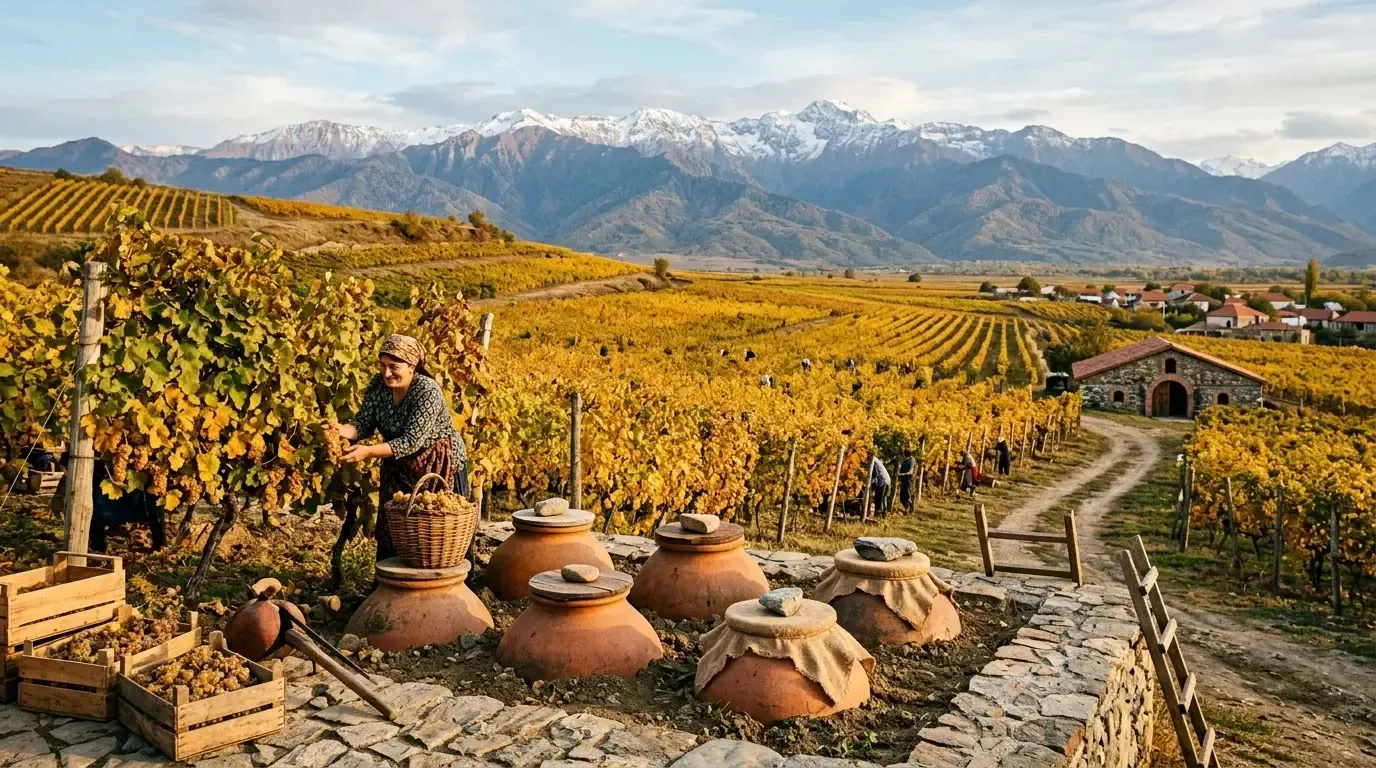
This isn’t a tasting but a real master class. You take part in the process: crushing grapes, blending, tasting at different stages. A winemaking family in Kakheti hosts no more than 6 guests at a time. After the master class — a lunch of homemade dishes that the hostess prepares especially.
Practical information
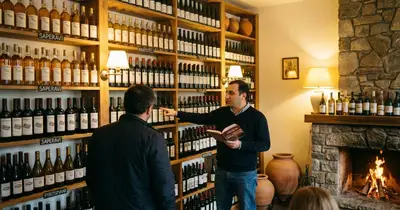
The wine tour starts from your hotel in Tbilisi at 09:00-10:00. Return by 19:00-20:00. The tasting includes 10-15 Georgian wines: from classic Saperavi and Rkatsiteli to rare amber wines from qvevri. We drive, you taste. Group: up to 7 people.
Good to know
Georgian qvevri wine means amber (orange) wines with 3 to 6 months of skin contact. They taste different from European wines: more tannic and nutty, with a long finish. We recommend trying at least one qvevri wine — it’s a unique experience you won’t find anywhere else in the world. You can buy wine at the winery from 8-15₾ a bottle (the same wine costs 25-40₾ in Tbilisi).
What's included
Transfer, local guide, 2-3 tastings (10-15 wines), lunch at a winery. Not included: buying wine to take home, extra tastings.